

 Français
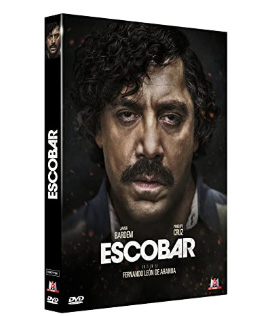
Loving Pablo
Synopsis
The film chronicles the rise and fall of the notorious drug lord Pablo Escobar through the perspective of his passionate and tumultuous love affair with prominent Colombian journalist Virginia Vallejo. As Escobar builds his vast cocaine empire, Vallejo is drawn deeper into his opulent yet terrifying world of violence and political corruption. Their relationship begins to fracture as law enforcement agencies close in and Escobar faces the ultimate collapse of his cartel. Ultimately, the story highlights the devastating human cost of the Medellin cartel's reign of terror.
The Making of the Film
The project originated from the biographical memoir 'Loving Pablo, Hating Escobar' written by journalist Virginia Vallejo, detailing her high-profile romantic involvement with the infamous cartel leader. Director Fernando León de Aranoa was drawn to the material because it offered a fresh perspective on a heavily documented historical figure by focusing on domestic intimacy combined with ruthless criminality. Producers spent several years securing rights and assembling an international financing structure to bring the biographic crime drama to life. The filmmakers aimed to maintain absolute historical grounding while capturing the psychological obsession at the heart of the toxic relationship.
Critical Reception and Reviews
Professional Critic Reviews
Critics offered mixed reviews, praising the powerhouse lead performances of Javier Bardem and Penélope Cruz while noting that the narrative structure occasionally mirrored standard cartel biopic formulas. Reviewers highlighted the film's gritty visual style and unrelenting pacing in depicting the brutal violence of 1980s Colombia. Some critics felt that the relationship dynamic sometimes overshadowed the broader historical and political context of the drug war. Overall, it was regarded as a compelling showcase for its two lead actors.
Public Reception
Audiences responded favorably to the intense chemistry between Bardem and Cruz, who brought palpable electricity and emotional volatility to their respective roles. Viewers appreciated the unflinching depiction of Escobar's descent into paranoia and total isolation as his empire crumbled. The fast-paced storytelling kept viewers engaged throughout the harrowing historical descent.
Awards and Honors
Both Javier Bardem and Penélope Cruz received prestigious Goya Award nominations for their commanding performances as the central couple. The film earned recognition at several international film festivals for its makeup, costume design, and production values. It successfully expanded awareness of Virginia Vallejo's firsthand historical perspective on the cartel era.
Filming Anecdotes
Director's Inspirations
Director Fernando León de Aranoa drew inspiration from classic crime epics and historical documentary footage of Colombia during the height of the cocaine trade. He wanted the visual palette to transition from bright, sun-drenched coastal settings to oppressive, shadowy interiors as Escobar's psychological state deteriorated. Archival broadcast news clips were closely studied to recreate the authentic media frenzy surrounding the cartel.
Production Difficulties
Shooting on location across various international sites presented severe logistical challenges regarding security, crowd management, and period-accurate set dressing. Recreating 1980s Colombia required extensive costume and vintage vehicle coordination under intense tropical heat conditions. Maintaining emotional intensity during grueling multi-hour confrontation sequences demanded immense stamina from the principal cast.
Particular Scene Anecdote
The tense interrogation and public confrontation scenes required multiple takes to capture the explosive emotional volatility between Bardem and Cruz. Javier Bardem spent hours in the makeup chair daily to achieve Escobar's distinct physical transformation and posture. To build authenticity, the actors spoke extensive English dialogue mixed with natural Spanish inflections reflecting their characters' backgrounds.
Initial Casting Choices
Javier Bardem was attached to the role of Pablo Escobar for years before production officially commenced, serving also as a hands-on producer. Penélope Cruz was the director's first and only choice to portray Virginia Vallejo, bringing instant star power and deep dramatic range. The supporting cast was populated with seasoned international actors to anchor the global scope of the drug trade.
Themes Explored
The film explores the corrupting nature of absolute power, immense wealth, and unchecked ambition. It examines the psychological dynamics of toxic codependency within a high-stakes criminal environment. Another major theme is the complicity of media figures and politicians in sustaining violent authoritarian regimes. Ultimately, it serves as a cautionary tale about the inevitable destruction brought by greed and hubris.
Explanation of the Ending
The conclusion portrays the definitive downfall and death of Pablo Escobar, leaving Virginia Vallejo isolated, disgraced, and forced into protective exile. The final scenes emphasize how all of Escobar's immense wealth and power amounted to total ruin and tragedy. Vallejo reflects on the immense destruction they unleashed, realizing her survival came at the cost of her reputation and homeland. It signifies the brutal, unromanticized end of an era defined by terror.
Meaning of the Title
The title 'Loving Pablo' directly references the dual emotional trap experienced by the protagonist, torn between adoration for the charismatic man and terror of the ruthless criminal. It highlights the complex psychological phenomenon of romanticizing a monster until reality shatters the illusion. The name personalizes a broad historical tragedy into an intimate confession of misplaced love.
["Narcos", "Escobar: Paradise Lost", "Blow"]