

 Français
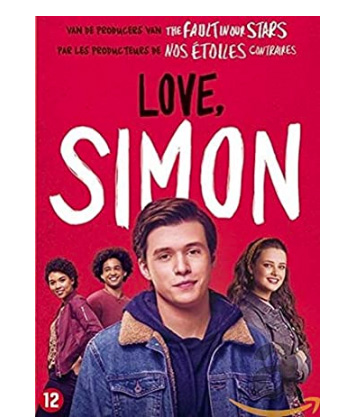
Love, Simon
Synopsis
Simon Spier is a seemingly ordinary high school teenager who harbors a massive secret: he has not yet told his family or friends that he is gay. When an anonymous confession posted online by another closeted student at his school catches his attention, Simon begins an intense digital correspondence with him under a pseudonym. However, when his emails are accidentally discovered by a blackmailing classmate, Simon is forced to navigate extortion, high school social dynamics, and the terror of coming out. The film offers a heartfelt, modern spin on the traditional teen romantic comedy.
The Making of the Film
Director Greg Berlanti adapted the film from Becky Albertalli's acclaimed young adult novel 'Simon vs. the Homo Sapiens Agenda', drawn to its rare blend of joyful optimism and authentic LGBTQ+ teenage representation. Producers sought to bring a major studio romantic comedy centered on a gay protagonist to mainstream audiences, breaking long-standing Hollywood conventions. The screenplay was crafted to balance contemporary internet culture with classic John Hughes-style high school romance. The production aimed to deliver a comforting, celebratory narrative for young audiences navigating their identities.
Critical Reception and Reviews
Professional Critic Reviews
Critics gave the film largely positive reviews, praising its warmth, charm, Nick Robinson's engaging lead performance, and its landmark status as a mainstream studio gay teen rom-com. Reviewers appreciated the film's witty dialogue, sympathetic supporting cast, and its ability to treat teenage romance with genuine dignity. Some critics noted that the plot relied on conventional high school movie tropes, but overall it was embraced as a crowd-pleasing crowd favorite. It was celebrated for bringing inclusive storytelling to wide theatrical prominence.
Public Reception
Audiences responded with immense enthusiasm and emotional connection, turning the film into a cultural touchstone for LGBTQ+ youth and allies alike. Viewers praised its uplifting message, relatable humor, and the supportive family dynamics depicted on screen. Viral social media campaigns organized by fans helped drive strong box office longevity.
Awards and Honors
'Love, Simon' won several Teen Choice Awards, including accolades for breakout performance and choice comedy-drama movie. It received widespread recognition from LGBTQ+ media advocacy groups for its positive cultural impact and inclusive representation. The soundtrack and lead performances earned critical nods across youth entertainment awards.
Filming Anecdotes
Director's Inspirations
Greg Berlanti drew inspiration from classic 1980s John Hughes teen comedies, aiming to give LGBTQ+ teenagers the same romanticized, magical cinematic love story traditionally reserved for heterosexual characters. He wanted the visual aesthetic to feel bright, inviting, and emotionally resonant. The digital messaging elements were styled creatively on screen to make virtual correspondence feel visually engaging.
Production Difficulties
Shooting a high school ensemble film on a tight studio schedule required precise coordination among young actors juggling education requirements and stunt blocking. Managing sensitive themes of coming out and cyberbullying demanded careful tone control from the director to ensure emotional authenticity without crossing into excessive melodrama. Recreating vibrant suburban Atlanta high school locations required meticulous art department staging.
Particular Scene Anecdote
The emotional Ferris wheel climax required multiple nights of shooting at an operational amusement park under freezing weather conditions. Nick Robinson and the supporting cast maintained high emotional energy through dozens of takes to capture the romantic tension. The emotional coming-out confession scene in the school parking lot was rehearsed extensively to achieve maximum sincerity.
Initial Casting Choices
Nick Robinson was cast after auditioning with a deep understanding of Simon's internal vulnerability and charm. Jennifer Garner and Josh Duhamel were brought in to play his supportive parents, adding instant emotional grounding and star power to the family scenes. The supporting teenage ensemble was chosen through wide open casting calls to find fresh, authentic talent.
Themes Explored
The film explores the anxiety and courage associated with coming out as LGBTQ+ in high school. It examines the importance of honesty in friendships and the painful betrayal of forced secrets and blackmail. Another core theme is unconditional family acceptance and the comfort of a safe home environment. Ultimately, it celebrates love, identity, and the right to live authentically.
The narrative concludes with Simon publicly outing himself at school through a daring online post, inviting his mysterious digital pen pal to reveal his identity at the carnival Ferris wheel. Blue turns out to be Bram, and the two share a romantic public kiss surrounded by cheering classmates and friends. Simon reconciles with his friends who forgive his past secrecy, restoring his support network. It signifies a triumphant, joyful liberation from fear and the beginning of authentic happiness.
Meaning of the Title
The title 'Love, Simon' directly echoes the sign-off used in Simon's secret email correspondence with his mysterious online crush, framing the entire narrative as a personal love letter to self-acceptance. It emphasizes communication, vulnerability, and the journey toward personal honesty. The straightforward title captures the sweet, romantic tone of the modern teen comedy.
["The Perks of Being a Wallflower", "Booksmart", "To All the Boys I've Loved Before"]