

 Français
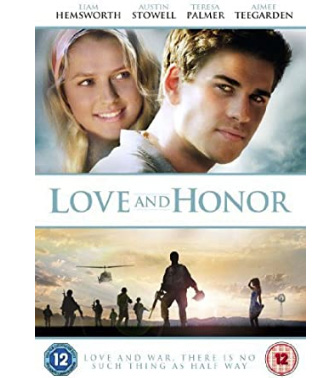
Love and Honor
Synopsis
In the turbulent anti-war climate of 1969 Michigan, a young American soldier stationed in Vietnam receives a devastating 'Dear John' breakup letter from his hometown girlfriend. Heartbroken and desperate, he goes AWOL alongside his loyal best friend, crossing the Pacific back to the United States to win her back during a weekend leave. Immersing themselves in the colorful counter-culture hippie movement, free love, and anti-war protests, the two soldiers experience a profound shift in perspective regarding duty, love, and what they are truly fighting for. This romantic drama blends historical Vietnam era politics with youthful rebellion.
The Making of the Film
Director Danny Mooney and screenwriters Jim Burnstein and Garrett K. Schiff developed the romantic drama inspired by true stories of Vietnam War soldiers going AWOL for matters of the heart during the peak of the 1960s counter-culture movement. Producers sought to capture the vibrant, colorful aesthetic of the hippie era contrasted against military rigidity. Star Winds Entertainment backed the independent production. The project aimed to deliver a heartfelt anti-war romance.
Critical Reception
Professional critics gave mixed-to-negative reviews, criticizing the predictable plot mechanics, shallow historical treatment of the Vietnam War, and lack of genuine emotional depth. However, some reviewers acknowledged the charming, youthful energy of lead actors Liam Hemsworth and Austin Stowell. The film struggled to find a wide theatrical release.
Public reception was moderate among fans of romantic dramas and young adult streaming movies, finding an appreciative audience on home video. Audiences enjoyed the scenic 1960s counter-culture costumes, music festivals, and bromance dynamics. It carved out a quiet niche as an easygoing indie romance.
Awards and recognition were absent, as is typical for independent romantic drama releases. Liam Hemsworth earned minor teen choice buzz for his leading performance. The film remains a minor title in its cast's filmography.
Filming Anecdotes
- Inspirations: The director drew inspiration from 1960s counter-culture documentaries, classic Vietnam War era counter-narratives, and peace-movement photography.
- Difficulties: Production challenges included working under an independent budget while attempting to recreate period-accurate 1969 Michigan college campuses, anti-war rallies, and military bases. Coordinating vintage cars and hippie wardrobe required meticulous art direction.
- Anecdote: A memorable anecdote involves Liam Hemsworth taking a brief break from his major blockbuster shooting schedule to film the intimate indie drama in Ann Arbor, Michigan. Teresa Palmer and Aimee Teegarden brought vibrant energy to their counter-culture roles. The cast enjoyed a relaxed, collaborative indie film atmosphere.
- Casting: The casting process secured Liam Hemsworth and Austin Stowell to anchor the lead soldier roles, alongside Teresa Palmer and Aimee Teegarden. Teresa Palmer played the passionate hippie activist love interest. The ensemble chemistry drove the romantic drama.
Themes Explored
The themes explored include anti-war sentiment, youthful rebellion, true love versus duty, friendship, and ideological awakening. The story examines how soldiers caught in geopolitical conflict must redefine their personal values. It also highlights 1960s counter-culture idealism.
Explanation of the Ending
The ending shows Mickey and Dalton choosing to return voluntarily to their military unit after realizing that running away cannot solve their moral dilemmas or mend broken hearts, accepting whatever disciplinary consequences await them. Before leaving, Mickey makes peace with his ex-girlfriend and embraces the peaceful ideals of the anti-war movement. The film concludes on a bittersweet, reflective note celebrating personal growth and maturity.
Title Significance
The title 'Love and Honor' refers directly to the central moral conflict faced by young soldiers torn between romantic love for their partners and military honor toward their country. It is classic and thematic. The name sets a romantic drama tone.
The film is frequently streamed on digital platforms as a lightweight background choice for romantic drama fans.
The Lucky One, Dear John, Across the Universe, The Last Song