

 Français
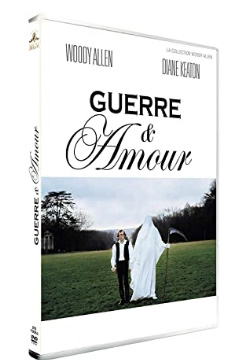
Love and Death
Synopsis
Set in Tsarist Russia during the Napoleonic Wars, Boris Grushenko is a cowardly, philosophical, pacifist peasant who would rather read poetry than fight in the army. When Russia is threatened by Napoleon's invading French forces, Boris is forced against his will into military service, where he accidentally becomes a celebrated war hero through sheer bumbling cowardice. Meanwhile, he marries his sharp-witted, cynical cousin Sonja, who only wed him because she believed she was about to die. When Sonja hatches a ridiculous, convoluted assassination plot against Napoleon Bonaparte to give their lives meaning, Boris finds himself dragged into a hilarious high-stakes historical farce.
The Making of the Film
Director and star Woody Allen wrote and directed the historical parody as a loving, comedic homage to 19th-century Russian literature—particularly the epic novels of Leo Tolstoy and Fyodor Dostoevsky—combined with the cinematic style of Ingmar Bergman and the Marx Brothers.
Critical Reception
Professional critics universally acclaimed the film as a masterpiece of satirical comedy, praising Woody Allen and Diane Keaton's sparkling comedic chemistry, brilliant literary parodies, and philosophical wit.
The general public embraced the movie warmly, turning it into a major box office success and a classic of Allen's early comedy era.
The film received widespread critical acclaim and remains one of the finest historical satires ever made.
Behind-the-Scenes Stories
Director Woody Allen drew inspiration from Russian classic literature, historical war films, and European art-house cinema. Production required location shooting in France and Hungary, utilizing authentic European winter landscapes and period costumes.
During the filming of the philosophical dueling and war sequences, Allen and Diane Keaton maintained rapid-fire comedic timing.
Initially, various satirical scripts were tested before Allen focused his literary parodies on Russian novels.
Themes Explored
The film explores pacifism, philosophy of death, Russian literary parody, romantic cynicism, and absurd warfare.
Ending Explained
The ending reveals that Boris is executed by firing squad for the failed assassination of Napoleon, after which his ghost dances happily away into the afterlife, claiming that death is better than chicken soup.
Meaning of the Title
The title 'Love and Death' parodies the grand, existential themes of Russian literature (echoing Tolstoy's 'War and Peace') through absurd comedic reduction.
Similar Films
Annie Hall, Monty Python and the Holy Grail, Sleeper, Take the Money and Run