

 Français
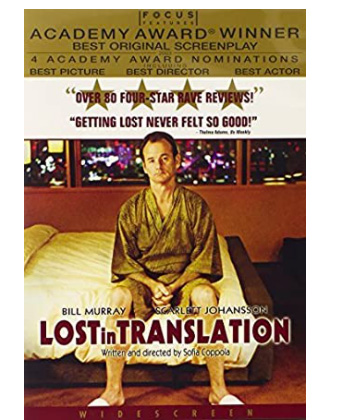
Lost in Translation
Synopsis
Bob Harris, an aging American movie star experiencing a mid-life career slump, travels to Tokyo to film a lucrative whisky commercial. Staying at the same luxurious Tokyo hotel is Charlotte, a young Yale philosophy graduate accompanying her celebrity photographer husband who neglects her. Both characters suffer from severe jet lag, insomnia, and deep personal isolation in a bustling foreign metropolis where they do not speak the language. One night, they cross paths at the hotel bar, sparking an unexpected, profound connection that helps them navigate their existential loneliness.
The Making of the Film
Writer and director Sofia Coppola drew deeply from her own personal experiences, feelings of disorientation, and observations while visiting Tokyo as a young adult. She wanted to capture the surreal, melancholic beauty of experiencing a massive foreign city while feeling emotionally untethered. The production operated with a remarkably small crew, shooting guerrilla-style in authentic Tokyo locations to maintain an intimate, documentary-like atmosphere. Coppola wrote the lead role of Bob Harris specifically with Bill Murray in mind, refusing to begin production until he agreed to the part.
Critical Reception
Professional critics showered the film with universal critical acclaim, praising its gentle humor, atmospheric melancholy, and the palpable chemistry between the leads. Reviewers lauded Sofia Coppola's visionary direction and her delicate handling of subtle emotional nuance and urban isolation. Bill Murray and Scarlett Johansson received rave notices for their nuanced, deeply human performances. It is widely regarded as one of the defining masterpieces of 21st-century independent cinema.
The public reception was exceptionally positive, turning a tiny independent budget into an international art-house phenomenon and a cultural touchstone. Audiences resonated deeply with the universal themes of loneliness, wandering youth, and middle-aged reflection. It remains beloved for its unforgettable neon-lit aesthetic and tender emotional resonance.
The film received major international accolades, winning the Academy Award for Best Original Screenplay for Sofia Coppola, along with nominations for Best Picture, Best Director, and Best Actor for Bill Murray. It also dominated numerous critics' association awards and won multiple Golden Globes.
Shooting Anecdotes
Director Sofia Coppola drew visual and tonal inspiration from moody photography, Japanese pop culture, and minimalist art to convey the sensory overload and quiet solitude of Tokyo.
Production faced unique logistical challenges filming clandestinely in busy Tokyo streets, airports, and subway stations with a minimal crew and hidden cameras.
A famous, whispering secret exchanged between Bob and Charlotte in the final street scene was never scripted; Bill Murray whispered an improvised farewell directly into Scarlett Johansson's ear.
Securing Bill Murray's commitment proved notoriously difficult, as he had no agent or direct phone number, requiring Coppola to wait months of persistent outreach before he finally accepted.
Thematic Exploration
Alienation, cross-cultural disorientation, unexpected companionship, and transitional phases of life.
Ending Explanation
Bob stops his taxi on his way to the airport after spotting Charlotte on a crowded Tokyo sidewalk, embraces her, and whispers a parting message in her ear, leaving them both with a renewed sense of peace and understanding.
Title Significance
The title refers both to the literal language barrier encountered in Japan and the emotional disconnect experienced by the characters in their personal lives.
News
The film continues to be celebrated in retrospective screenings as a timeless independent classic that redefined contemporary romance and indie cinema.
Similar Films
Her, Before Sunrise, Paterson, Brokeback Mountain