

 Français
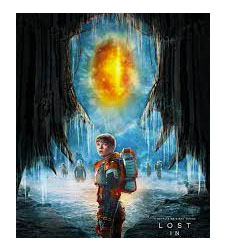
Lost in Space
Synopsis
This epic, visually stunning science fiction adventure television series follows the Robinson family—a pioneering group of space colonists selected for a perilous migration to a distant stellar system aboard the elite spaceship 'Resolute'. When a catastrophic hull breach forces the ship to evacuate prematurely, the Robinsons crash-land their specialized exploration vessel on an unknown, hazardous alien planet filled with extreme weather, treacherous ice formations, and mysterious robotic lifeforms. Alongside an eclectic crew of fellow crash-survivors, including an enigmatic fugitive posing as a scientist known as Dr. Smith and a brilliant mechanic named Don West, the Robinsons must band together to survive. It is a thrilling, high-budget modern reimagining of classic television.
The Making of the Film
Project origins stemmed from Netflix and Legendary Television's ambition to reboot Irwin Allen's iconic 1965 classic television series 'Lost in Space' as a high-budget, cinematic sci-fi adventure tailored for modern streaming audiences. Showrunners Matt Sazama and Burk Sharpless sought to modernize the family dynamic while keeping the core themes of survival, intelligence, and familial love intact. Inspiration was drawn from classic space exploration literature, high-end CGI cinematic blockbusters, and survival dramas. The creative team aimed to produce a visually breathtaking, premium family sci-fi epic.
Critical Reception
Critics offered generally favorable reviews, praising the series' gorgeous cinematic visual effects, high production values, and strong family dynamics. Reviewers noted that the creators successfully updated the cheesy 1960s camp into a tense, grounded survival thriller where science and engineering play vital roles in solving weekly crises. Parker Posey's brilliantly manipulative portrayal of the villainous Dr. Smith received universal acclaim. The robotic bond between Will Robinson and the alien machine ("Danger, Will Robinson!") became an instant cultural high point.
Audience reception was massive and enthusiastic, driving the series to become a monster streaming hit on Netflix worldwide and cultivating a fiercely loyal global fanbase. Viewers on public platforms praised the thrilling planetary disasters, clever engineering solutions, and Toby Stephens's heroic fatherly performance. Fans of family science fiction celebrated its intelligent plotting and stunning spaceship designs. Word-of-mouth sustained massive global popularity across its multi-season run.
Awards season brought numerous Saturn Award and Visual Effects Society nominations, honoring the series' stunning CGI alien worlds, creature design, and standout acting performances. Critics' associations praised the show for its cinematic scale on television. These accolades cemented its status as a premier triumph in modern streaming science fiction.
Behind-the-Scenes Stories
The director and showrunner drew visual inspiration from classic NASA space exploration gear, Icelandic volcanic landscapes, and high-end cinematic science fiction to establish a sleek, immersive visual style. Every spaceship interior, planetary rover, and alien ice cave was constructed with meticulous physical detail and augmented by state-of-the-art CGI. The production team collaborated with aeronautical engineers to ensure that spacesuits and technological gadgets looked plausible and functional. These artistic choices created an impeccably realized sci-fi world.
Production presented intense logistical and technical hurdles, requiring the cast to shoot in freezing artificial snow stages and rugged outdoor Canadian wilderness locations to simulate alien worlds. Toby Stephens, Molly Parker, and young actor Maxwell Jenkins underwent intense physical training to perform zero-gravity harness stunts and survival sequences. Furthermore, managing complex visual effects plates for alien robots required obsessive post-production coordination from Netflix studios.
During the filming of the harrowing chariot rover cliff-hanging sequences, the actors executed physical stunts amidst massive wind machines and digital tracking markers with total professional commitment. To maintain emotional gravity, the creators grounded every sci-fi crisis in authentic family teamwork and sacrifice. The crew utilized crisp, cold lighting to accentuate the alien atmosphere. This rigorous dedication resulted in spectacular television moments.
Casting was anchored by assembling a powerhouse ensemble including Toby Stephens as John Robinson, Molly Parker as Maureen Robinson, and young Maxwell Jenkins as Will Robinson. Parker Posey delivered a legendary, delightfully wicked performance as the deceptive Dr. Smith. Supporting roles featured Ignacio Serricchio as the charming mechanic Don West. This star-studded casting strategy was the absolute heartbeat of the show's success.
Themes Explored
The narrative deeply explores themes of family unity, scientific ingenuity, and surviving against impossible planetary odds. It examines trust, redemption, and whether artificial intelligence can possess genuine empathy. Additionally, it highlights exploration, sacrifice, and protecting one's children in hostile environments. Ultimately, the film reflects on courage, intelligence, and finding home among the stars.
Ending Explained
The epic series finale reveals the Robinsons successfully defeating the robotic alien invasion fleet and finding a safe, permanent habitable colony world for the human colonists to settle peacefully, while Will and the Robot part ways on loving terms to explore the galaxy. As the sun rises over the new colony, the Robinson family gathers together to look toward a bright, peaceful future. The heartwarming resolution celebrates ultimate triumph and exploration.
Meaning of the Title
The title directly references the classic franchise name ("Lost in Space") and the terrifying reality of a family stranded light-years away from Earth.
Similar Films
Films and series sharing similar space colonization, planetary survival, and family sci-fi adventure themes include Interstellar (2014), The Martian (2015), and Star Trek: Discovery (2017).