

 Français
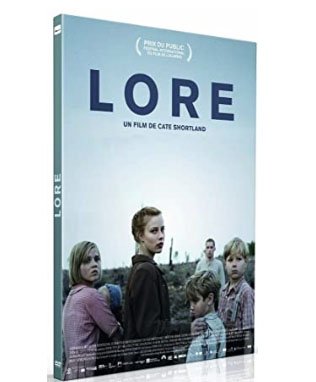
Lore
Synopsis
Set in Germany in the chaotic spring of 1945 immediately following the collapse of the Third Reich, a teenage girl belonging to a staunch Nazi family is forced to lead her younger siblings across a war-torn country to the safety of their grandmother's home in northern Germany. Stripped of their privileged Nazi heritage and confronted by the devastating physical and moral ruins of their defeated homeland, the children must rely on an enigmatic, stateless young Jewish survivor for protection and guidance. As they traverse ruined landscapes, forests, and allied checkpoints, the eldest daughter experiences a profound ideological awakening that shatters her worldview. Her harrowing journey tests her humanity amidst the ashes of war.
The Making of the Film
Director Cate Shortland adapted the historical drama from Rachel Seiffert's acclaimed novel 'The Dark Room'. The inspiration stemmed from wanting to explore the untold perspective of German children whose parents were active Nazi perpetrators facing the moral reckoning of World War II. The production team aimed to construct a visceral, highly sensory art-house drama shot on location in Germany and Australia, emphasizing tactile textures like mud, grass, and breath. The script focused heavily on the psychological loss of innocence.
Critical and Reception
Professional critics heaped widespread critical acclaim upon the film, praising its mesmerizing sensory direction, striking cinematography, and powerhouse lead performance by newcomer Saskia Rosendahl. Audiences and international festival circuits embraced the arthouse drama warmly, winning numerous awards including the Audience Award at the Locarno International Film Festival. Reviewers noted that the film offered a haunting, deeply empathetic look at post-war German guilt. Today, it is universally celebrated as a masterpiece of war cinema.
Filming Anecdotes
Director Cate Shortland drew inspiration from historical archives, post-war European photography, and sensory art-house cinema traditions. Production faced intense physical challenges shooting on location across remote forests and rural landscapes in Germany under demanding weather conditions. During the harrowing refugee camp and forest-crossing sequences, young lead actress Saskia Rosendahl underwent rigorous emotional and physical preparation. The studio fully supported Shortland's uncompromising artistic vision.
Themes Explored
The film explores post-war German guilt, the loss of childhood innocence, ideological disillusionment, survival, and unexpected human connection. It examines how children unlearn generational hatred when confronted with reality. Trust versus prejudice serves as the central moral conflict. Additionally, ruined German landscapes provide a somber backdrop.
Explanation of the Ending
The narrative concludes with Lore and her surviving siblings finally reaching their grandmother's coastal home, though Lore remains profoundly transformed and emotionally scarred by her experiences and the sudden departure of the Jewish survivor who saved them. Standing by the cold sea, she gazes into an uncertain future, having permanently cast off her family's Nazi ideology. The final shots capture the melancholic coastal horizon. The resolution provides a poignant, open-ended closure to the historical drama.
Meaning of the Title
The title refers directly to the nickname of the teenage protagonist, Lore (short for Hannelore), placing the entire emotional and moral weight of post-war Germany upon her shoulders. It signifies personal identity, youth, and coming of age. The name creates an intimate, evocative hook for a historical drama. It captures the central character driving the narrative.
There are no recent major developments or active news items regarding this file.