

 Français
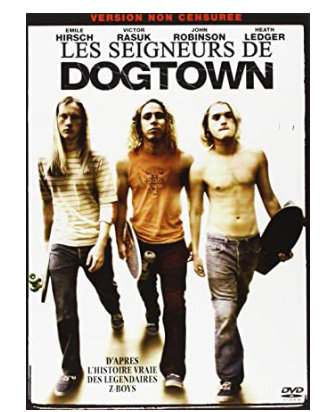
Lords of Dogtown
Synopsis
Set in 1970s Southern California, a group of teenage skateboarders known as the Z-Boys revolutionize their sport and pop culture forever. Utilizing newly invented polyurethane wheels, they transform a drained swimming pool into an innovative breeding ground for extreme vertical skating. As sudden fame, corporate sponsorships, and money enter the picture, their tight-knit friendship begins to fracture. Ultimately, they change the face of skateboarding into a global phenomenon.
The Making of the Film
Director Catherine Hardwicke brought the seminal skateboarding documentary Dogtown and Z-Boys into a fictionalized narrative feature film. The screenplay was written by none other than legendary former Z-Boy skater Stacy Peralta, ensuring authentic historical detail and firsthand perspective on the subculture. Producers sought to capture the gritty, sun-bleached aesthetic of coastal Venice Beach during a period of urban decay and artistic awakening. The creative team worked closely with original skate pioneers to accurately recreate board designs, clothing styles, and skating maneuvers. Funding and development relied heavily on capturing the raw, rebellious DIY spirit of mid-1970s youth culture.
Critical Reception
Critics generally offered mixed to positive reviews, praising the film's energetic visual style, kinetic skating sequences, and authentic period atmosphere. Reviewers noted that while the dramatic narrative occasionally stumbled into familiar coming-of-age tropes, the sheer passion of the cast propelled the movie forward. Audiences, particularly skateboarders and counterculture enthusiasts, embraced the film as a loving tribute to the roots of modern extreme sports. Over time, it has achieved cult classic status for its influential depiction of skate culture. It remains widely celebrated for launching the careers of several young actors.
Behind-the-Scenes Stories
Catherine Hardwicke drew heavy inspiration from skateboarding photographs, punk rock aesthetics, and classic 1970s cinema to establish the film's visual tone. The young cast underwent intense skateboarding boot camps led by original Z-Boys members to master period-accurate riding techniques. During filming, several actors performed their own stunts, resulting in numerous bumps, bruises, and scrapes on concrete bowls. The casting process involved extensive open auditions across Southern California to find unknown skaters who could act.
Themes Explored
The narrative explores the commercialization of counterculture, the transition from innocent adolescent passion to adult corporate exploitation, and brotherhood. It examines how a localized subculture can inadvertently spark a worldwide athletic revolution. Furthermore, it highlights the friction between artistic freedom and commercial success.
Ending Explained
Following a final nostalgic skate session together in an empty pool, the original crew members part ways to pursue independent paths in professional skating and design, reconciled through mutual respect. The concluding montage showcases vintage photographs of the real-life Z-Boys alongside their cinematic counterparts. A bittersweet sense of closure honors an era that could never be repeated.
Meaning of the Title
Reference is made to 'Dogtown', the gritty nickname given to the rundown coastal neighborhoods of Venice and Santa Monica where the movement was born.
Other counterculture and youth rebellion films such as Almost Famous, Dazed and Confused, and Skaterdater.