

 Français
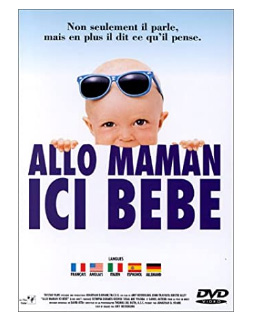
Look Who's Talking
Synopsis
Mollie is a fiercely independent Manhattan accountant who becomes pregnant by a married, sleazy client who promptly abandons her. While navigating single motherhood, she embarks on an obsessive search for the perfect father figure for her unborn child, running through a string of disastrous suitors. Along the way, she crosses paths with James Ubriacco, a charming, laid-back taxi driver who drives her to the hospital during labor and becomes a devoted friend and father figure. The film's unique twist is that the entire chaotic dating world is narrated through the cynical, wisecracking inner thoughts of Mikey, the newborn baby observing them from inside.
The Making of the Film
Writer-director Amy Heckerling conceived the original comedy after struggling to find childcare and wondering what infants were actually thinking beneath their innocent expressions. Heckerling pioneered the voiceover comedy concept by pairing realistic infant facial expressions with adult voice casting.
Critical Reception
Professional critics gave the film mixed reviews, praising its fresh comedic premise, charming chemistry between Kirstie Alley and John Travolta, and Bruce Willis's witty vocal delivery, while noting its predictable romantic-comedy beats.
The general public made it a massive global box office blockbuster, turning it into a pop-culture phenomenon.
The film received several People's Choice and kids' entertainment award recognitions.
Behind-the-Scenes Stories
Director Amy Heckerling drew inspiration from parenthood experiences and classic romantic comedy tropes.
Production involved working with multiple infant babies and complex cueing techniques to match expressions with dialogue.
During the recording sessions, Bruce Willis recorded his cynical voiceover tracks separately while watching baby footage.
Initially, various comedic actors were considered before Alley and Travolta secured the lead roles.
Themes Explored
The film explores single motherhood, modern dating, infant perception, and unexpected romance.
Ending Explained
The ending shows James rushing back to win Mollie's heart after a misunderstanding, with baby Mikey finally speaking his first word—'Dada'—cementing their new family bond.
Meaning of the Title
The title 'Look Who's Talking' refers playfully both to babies learning human speech and to the infant narrator's sarcastic running commentary on adult behavior.
Similar Films
Look Who's Talking Too, Three Men and a Baby, Junior, What Women Want