

 Français
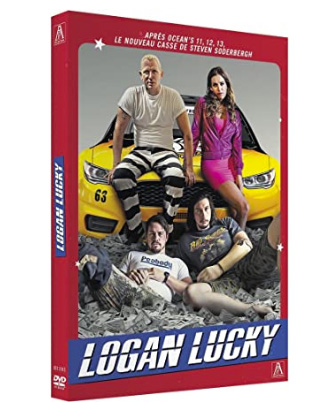
Logan Lucky
Synopsis
Jimmy Logan, an unlucky former coal miner in West Virginia who recently lost his construction job due to a knee injury, concocts an elaborate scheme to rob the Charlotte Motor Speedway during a massive NASCAR race. He enlists his one-armed bartender brother Clyde and ropes in their imprisoned explosives expert friend Joe Bang, along with Joe's eccentric brothers, to execute the heist right beneath the track's multi-million dollar cash handling system. Balancing family drama, southern charm, and intricate underground logistics, the ragtag crew attempts to pull off the ultimate redneck robbery without getting caught by the FBI.
The Making of the Film
Director Steven Soderbergh came out of a brief retirement to direct the heist comedy, working from a screenplay written by his sibling Rebecca Blunt (later revealed to be a pseudonym). Soderbergh chose to self-finance and independently distribute the film to bypass traditional studio interference and retain total creative control over the project. Inspired by classic caper movies like 'Ocean's Eleven' combined with quirky working-class southern culture, the production aimed to flip traditional heist tropes on their head. The filmmakers embraced a nimble, digital filmmaking style.
Critical Reception and Reviews
Professional Critic Reviews
Critics showered the film with widespread critical acclaim, praising Steven Soderbergh's sleek direction, witty dialogue, and a standout comedic ensemble cast led by Channing Tatum and Daniel Craig. Reviewers highlighted the film's fresh, clever spin on the traditional heist caper, infusing it with infectious southern charm and blue-collar working-class humor. The pacing and intricate puzzle-box mechanics of the robbery received high marks. It was celebrated as one of the best comedies of the year.
Public Reception
Audiences embraced the film warmly, enjoying its breezy, lighthearted tone, lovable characters, and hilarious supporting performances—particularly Daniel Craig playing against type as an incarcerated bomb-maker. Word-of-mouth recommendations drove strong engagement across digital and theatrical platforms.
Awards_and_Honors
While the film missed major Academy Award traction, it earned nominations and critical praise from various comedy and independent film critic associations. Daniel Craig's comedic pivot earned widespread industry applause for displaying remarkable versatility.
Filming Anecdotes
Director's Inspirations
Steven Soderbergh drew inspiration from classic American caper films, Appalachian working-class culture, and the high-octane spectacle of NASCAR racing. He wanted the visual style to feature sun-bleached southern palettes, naturalistic lighting, and brisk editing rhythms. Real NASCAR events and facilities in Charlotte were utilized during active race weekends to capture authentic atmosphere.
Production Difficulties
Financing the film independently without a major studio required creative sales-agent agreements and international pre-sales management. Managing large crowds of NASCAR fans during live race weekend shooting required precise coordination from the assistant director team. Daniel Craig underwent a drastic physical transformation, bleaching his hair and adopting an exaggerated West Virginia prison accent.
Particular Scene Anecdote
Planning the elaborate pneumatic tube money-heist sequence required meticulous logistical staging to ensure the caper logic felt clever and believable to audiences. Daniel Craig brought chaotic comedic energy to his prison breakout scenes, frequently improvising dialogue with his co-stars. Channing Tatum maintained a deadpan, world-weary charm throughout the chaotic family gatherings.
Initial Casting Choices
Channing Tatum was attached early on to play Jimmy Logan, reuniting with director Steven Soderbergh following 'Magic Mike'. Daniel Craig jumped at the chance to play Joe Bang, eagerly shedding his James Bond persona for a tattooed, chaotic demolition expert. Adam Driver joined as Clyde Logan, completing the deadpan brotherly duo.
Themes Explored
The film explores economic hardship, working-class resilience, and family loyalty in rural Appalachia. It examines the ingenuity of ordinary people outsmarting corporate greed through elaborate caper mechanics. Another core theme is sibling bonds and father-daughter devotion. Ultimately, it celebrates cleverness and humor in the face of misfortune.
The narrative concludes with the Logan brothers successfully executing the multi-million dollar speedway robbery, stashing the cash underground, and framing corrupt individuals before an FBI agent (played by Hilary Swank) hits a dead end in her investigation. Jimmy returns a portion of the stolen money anonymously to ensure his daughter's pageant future while securing a comfortable life for his family. The final scenes show the brothers enjoying a quiet beer at their local bar, having outsmarted the system entirely. It signifies a hilarious, feel-good victory for the blue-collar underdog.
Meaning_of_the_Title
The title 'Logan Lucky' refers both to the family surname of the mastermind brothers and the ironic reversal of their traditionally bad fortune when their audacious speedway heist finally succeeds. It highlights the folksy, upbeat tone of the Appalachian crime comedy. The catchy rhyming title establishes the lighthearted caper genre.
["Ocean's Eleven", "The Brothers Bloom", "Baby Driver"]