

 Français
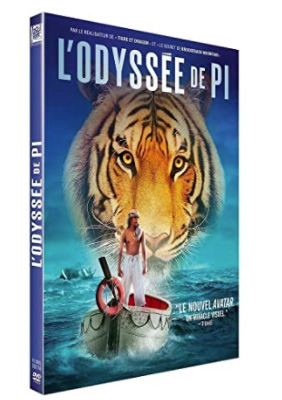
Life of Pi
Synopsis
Following a catastrophic shipwreck in the middle of the Pacific Ocean, a young Indian boy named Pi finds himself stranded on a small lifeboat accompanied by an unexpected and ferocious survivor: a 450-pound Bengal tiger named Richard Parker. To endure 227 days of open ocean trials, harsh weather elements, and dwindling supplies, Pi must forge a fragile, mutual coexistence with the massive wild beast. Along the way, his faith, resilience, and sanity are tested to their absolute limits in a vast watery expanse. The breathtaking visual masterpiece blends philosophical wonder with stunning cinematic survival spectacle.
The Making of the Film
Director Ang Lee adapted the film from Yann Martel's globally acclaimed, Booker Prize-winning 2001 philosophical novel Life of Pi, which many filmmakers previously considered impossible to film due to its complex aquatic and animal requirements. The inspiration stemmed from Martel's imaginative exploration of storytelling, faith, and the human need for narrative meaning when faced with unimaginable suffering. The production team invested heavily in pioneering 3D technology and photorealistic computer-generated animal effects to bring the Bengal tiger to life. The script was meticulously structured to mirror the book's framing device of storytelling and spiritual inquiry.
Critical Reception and Reviews
Professional critics widely acclaimed the film as a modern cinematic masterwork, praising its stunning 3D visual effects, breathtaking cinematography, and profound philosophical depth. Reviewers lauded Ang Lee's visionary direction for translating a supposedly unfilmable literary novel into a visually mesmerizing and emotionally resonant journey. Critics commended newcomer Suraj Sharma for carrying the grueling emotional and physical weight of the survival narrative. Public reception was overwhelmingly enthusiastic worldwide, turning it into a massive box-office blockbuster. The film won four Academy Awards, including Best Director for Ang Lee.
Filming Anecdotes
Director Ang Lee drew visual inspiration from classic maritime adventure paintings, nature documentaries, and Eastern spiritual art. Production took place primarily in a massive custom wave-tank built in Taiwan, utilizing advanced motion-control rigs and a mechanical tiger before digital animators completed Richard Parker. During the filming of grueling oceanic survival sequences, Suraj Sharma spent months training in survival swimming and endurance. Ang Lee pushed technical boundaries to ensure the 3D stereoscopic format enhanced the poetic wonder of the ocean.
Themes Explored
The film explores religious faith, survival against impossible odds, the bond between man and beast, storytelling as a coping mechanism, and the duality of human nature.
The emotional conclusion reveals Pi telling an alternative, brutal version of the shipwreck involving human cruelty to insurance investigators, leaving listeners to choose which story contains deeper spiritual truth.
Meaning of the Title
The title refers directly to the protagonist Piscine Molitor "Pi" Patel and his extraordinary, life-defining journey of survival across the Pacific Ocean.
Original Soundtrack
Mychael Danna composed an extraordinary, Oscar-winning orchestral score blending traditional Indian instruments with sweeping Western orchestrations that captured the mystical oceanic voyage.
The film remains celebrated as a landmark achievement in digital 3D cinematography and philosophical storytelling.
Cast Away, The Blue Lagoon, Master and Commander: The Far Side of the World