

 Français
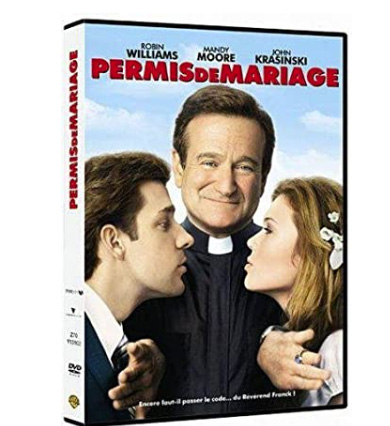
License to Wed
Synopsis
An excited young couple eager to tie the knot at an exclusive family church church are told by the eccentric head reverend that they must first complete his famously rigorous, unorthodox pre-marital counseling course. Refusing to marry them anywhere else, the couple submits to a series of bizarre psychological tests, wired houseguests, and invasive exercises designed to test their compatibility. As the intense counseling pushes their patience and relationship to the absolute breaking point, they question whether they are truly ready for marriage. The hilarious obstacles threaten to derail their wedding day entirely.
The Making of the Film
Director Ken Kwapis brought the romantic comedy script to the screen to explore the absurdities of modern wedding preparations and pre-marital counseling. The inspiration stemmed from observing how couples often focus heavily on wedding ceremonies rather than building a solid emotional foundation for marriage. The production team aimed to create a comedic vehicle showcasing Robin Williams's manic improvisational skills alongside a relatable young couple. The script was structured around a series of escalating comedic counseling tasks.
Critical and Reception
Professional critics universally panned the film upon release, criticizing its predictable script, uninspired slapstick, and waste of Robin Williams's comedic talent. Audiences provided a modest box-office return, finding it a lighthearted, disposable romantic comedy for weekend viewing. Reviewers noted that despite the high-profile cast, the counseling gags felt repetitive and overly contrived. Over time, it settled into a niche as a standard background comedy.
Filming Anecdotes
Director Ken Kwapis drew inspiration from classic screwball comedies and traditional marital satire tropes. Production faced fun creative challenges as Robin Williams frequently improvised alternative lines and manic character reactions during his counseling scenes. During the elaborate baby simulator and car-crash driving test sequences, the cast maintained high energy through continuous takes. The studio worked closely with the production team to balance broad physical humor with sentimental relationship messages.
Themes Explored
The film explores pre-marital anxiety, communication, compatibility, and the true meaning of commitment. It examines how couples must understand each other's deep flaws before walking down the aisle. Institutional guidance versus personal autonomy provides comedic friction. Additionally, faith and family tradition anchor the wedding setting.
Explanation of the Ending
The narrative concludes with the couple surviving the grueling pre-marital course, realizing their deep love and resilience, and finally earning the reverend's blessing to get married in the church. The wedding proceeds joyfully with the eccentric reverend officiating as a newfound friend. The final scenes show the couple happily embarking on their honeymoon without counseling anxieties. It provides a predictable, feel-good resolution to the comedic trials.
Meaning of the Title
The title refers directly to the official legal marriage license required by the state, humorously extended to include the reverend's fictional church-mandated 'license' to wed. It signifies institutional approval and readiness for lifelong matrimony. The name creates an immediate thematic hook for a wedding comedy. It captures the core bureaucratic obstacle driving the narrative.
There are no recent major developments or active news items regarding this film.