

 Français
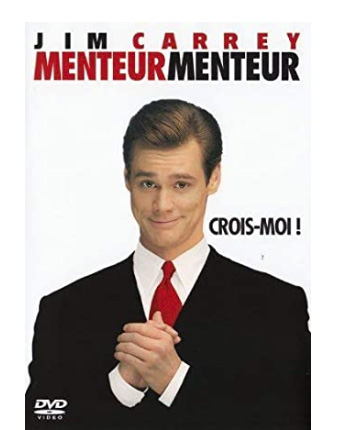
Liar Liar
Synopsis
Fletcher Reede is a successful but unreliable lawyer whose constant lies have damaged his relationship with his young son Max. After Max makes a birthday wish that his father will be unable to lie for an entire day, Fletcher suddenly discovers that he can only tell the truth. This unexpected condition creates enormous problems in his professional life, where deception and strategic language are essential to his work. He also struggles to repair his relationship with Max and his former wife Audrey. Through a series of increasingly chaotic situations, Fletcher discovers that honesty may be more important than professional success.
The The Making of the Film
Liar Liar was developed around a simple comic premise: what would happen if a professional liar suddenly became physically incapable of telling the truth? The screenplay was written by Paul Guay and Stephen Mazur, who built the story around the contradictions of a dishonest lawyer. Director Tom Shadyac recognized the potential for a comedy driven by physical performance and escalating situations. Jim Carrey was selected for the lead role because of his exceptional ability to combine exaggerated expressions, physical humor and rapid dialogue. The film also provided an opportunity to explore the emotional consequences of a father’s dishonesty. The character of Max gives the story a personal dimension beyond its courtroom comedy. Universal Pictures produced the film during a period when Jim Carrey was one of Hollywood’s biggest comedy stars. The screenplay combines a fantastical premise with recognizable family conflicts. Its central idea is that a person who constantly lies may eventually lose the trust of everyone around him. The production therefore balances broad comedy with a story about responsibility, parenting and personal change.
Critical Reception
Professional critics generally praised Jim Carrey’s energetic performance and his ability to transform simple situations into elaborate comic sequences. The physical humor and exaggerated facial expressions became some of the film’s most recognizable elements. The screenplay was also appreciated for its accessible premise and its mixture of family comedy and courtroom satire. Some reviewers considered the story predictable, but many found the central concept consistently entertaining. Tom Shadyac’s direction gives the film a fast pace that suits Carrey’s performance.
The film was a major commercial success and attracted audiences around the world. Jim Carrey’s popularity helped make it one of the most recognizable comedies of 1997. Families and younger viewers particularly appreciated the story’s emotional message about honesty and parental responsibility. Its courtroom scenes and physical comedy also contributed to its lasting popularity. The film remains one of Carrey’s best-known comedy performances.
Liar Liar received several award nominations and industry distinctions. Jim Carrey received recognition for his comic performance, including a Golden Globe nomination. The film was also recognized through various popular entertainment awards and box office achievements. Its success confirmed Carrey’s position as one of the leading comedy actors of the decade.
Filming Anecdotes
Tom Shadyac directed Liar Liar during a particularly successful period in Jim Carrey’s career. The director understood that the central premise required a performer capable of maintaining comic energy throughout an entire film. Carrey’s physical expressiveness became a defining feature of the production. Many scenes were designed around his ability to turn ordinary situations into increasingly exaggerated comic performances.
The courtroom sequences required a balance between legal drama and absurd comedy. Fletcher’s inability to lie transforms ordinary professional exchanges into chaotic confrontations. The production used the legal setting to create situations in which the character’s professional instincts repeatedly conflict with his new condition. This contrast is one of the main sources of the film’s humor.
One of the most memorable sequences involves Fletcher attempting to prevent himself from writing a lie on a document. The scene illustrates the film’s central comic concept through physical action rather than lengthy explanation. Carrey’s performance transforms a simple office situation into an extended physical comedy sequence. It has become one of the film’s most recognizable moments.
The casting of Jim Carrey was essential to the project. His established reputation for exaggerated physical comedy made him particularly suited to the role. The supporting performances of Maura Tierney and Justin Cooper provide an emotional counterbalance to his increasingly chaotic behavior.
Themes Explored
Honesty is the central theme of Liar Liar. Fletcher has built his professional success around manipulation and carefully constructed falsehoods. His sudden inability to lie forces him to confront the consequences of his behavior. The film explores the difference between professional ambition and personal integrity. Fatherhood is another major theme because Fletcher must learn that his son needs attention and reliability rather than material rewards. Trust is presented as something that cannot be restored through clever arguments or empty promises. The relationship between Fletcher and Audrey also demonstrates the emotional damage caused by repeated dishonesty. The film uses comedy to examine the conflict between social expectations and personal responsibility. It also questions whether success is meaningful when it comes at the expense of family relationships. Forgiveness and personal growth become possible when Fletcher finally accepts his mistakes. Ultimately, the story suggests that honesty is essential for building genuine relationships.
Explanation of the Ending
The conclusion sees Fletcher finally understanding that his professional success has come at a considerable personal cost. His inability to lie forces him to confront the consequences of his previous behavior. He recognizes that Max needs a father who keeps his promises rather than one who simply knows how to make excuses. Fletcher makes a genuine effort to repair his relationship with his son and to demonstrate that he can change. His actions also reveal a new understanding of his responsibilities as a parent. The birthday wish that triggered the entire situation becomes an opportunity for personal transformation. Although his supernatural condition is temporary, its emotional consequences are lasting. The ending suggests that honesty should not depend on an external force or magical intervention. Fletcher must choose to become a better person even after he regains the ability to lie.
The Meaning of the Title
The title Liar Liar refers directly to Fletcher’s habitual dishonesty. It also echoes the familiar childhood rhyme Liar, Liar, Pants on Fire, which is associated with teasing someone who tells lies. The repetition gives the title a playful and memorable quality. It also reflects the film’s comic approach to a serious moral problem. The title summarizes Fletcher’s defining personality trait while hinting at the absurd consequences of his sudden inability to deceive others.
Original Soundtrack
John Debney composed the original score for Liar Liar. His music supports the rapid pace of the comedy while providing a warmer emotional atmosphere for the family scenes. The score alternates between energetic passages and more sentimental moments. This contrast helps reinforce the difference between Fletcher’s chaotic professional life and his desire to rebuild his relationship with his son. The soundtrack contributes to the film’s balance between slapstick comedy and family drama.
Similar films include Bruce Almighty, The Mask, Yes Man, Click, Mrs. Doubtfire and Groundhog Day. These comedies explore extraordinary situations that force their protagonists to reconsider their behavior, relationships and personal responsibilities.