

 Français
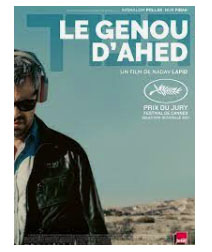
Ahed's Knee
Synopsis
Set in a remote, dusty desert village in southern Israel, an uncompromising, middle-aged Israeli filmmaker named Y. arrives to present one of his films at a public library screening. Struggling with personal grief, artistic censorship, and deep moral outrage over his country's political trajectory, Y. engages in intense, philosophical ideological clashes with a young, idealistic culture ministry officer regarding artistic freedom and state control. As Y. attempts to defend his work and his integrity, personal and political lines violently blur in the scorching desert sun. The blistering sociopolitical drama delivers fierce auteur fury and stylistic urgency.
The Making of the Film
Director Nadav Lapid conceived the fiercely autobiographical drama, drawing inspiration from his own intense personal experiences battling state censorship and cultural policies implemented by the Israeli Ministry of Culture. The inspiration stemmed from exploring the psychological toll placed on dissenting artists operating under nationalist political pressures. The production team invested heavily in stark desert location shoots in the Arava region and handheld improvisational cinematography. The script was structured as a frantic, stream-of-consciousness artistic outcry.
Critical Reception
Professional critics widely acclaimed the film for its daring stylistic audacity, ferocious political commentary, and Avshalom Pollak's electrifying lead performance as the raging filmmaker. Reviewers lauded Lapid for crafting an uncompromised, hyper-energetic masterpiece that interrogated the moral soul of artistic expression. Public reception was enthusiastic among international arthouse cinephiles, earning widespread festival acclaim. The film won the prestigious Jury Prize at the Cannes Film Festival.
Behind-the-Scenes Stories
Director Nadav Lapid drew visual inspiration from Godardian radical cinema, modern video art, and stark desert landscape photography. Production took place on location across scorching desert areas in Israel, utilizing rapid camera movements and jarring jump cuts to mirror the protagonist's mental agitation. During the filming of frantic monologue sequences, Avshalom Pollak performed intense physical choreography alongside his acting. Lapid infused the project with raw autobiographical fury.
Themes Explored
The themes explored include artistic censorship, political dissent, nationalist identity, state control of culture, grief, and moral compromise.
Ending Explained Ending Explained The defiant climax shows Y. recording furious video messages on his phone vowing to continue speaking out against state oppression despite professional isolation.
Meaning of the Title Meaning of the Title The title refers directly to a symbolic moment in the film where the protagonist argues passionately about a young activist's knee injured during political protests.
Similar Films Synonyms, The Policeman's Son, Bacurau