

 Français
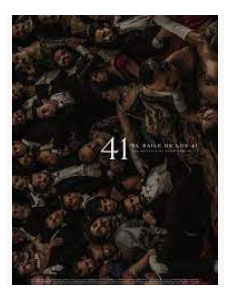
The Dance of the 41
Synopsis
Set in 1901 Mexico City during the glittering Porfirio Díaz regime, Ignacio de la Torre, an ambitious politician married to the adopted daughter of the President of Mexico, lives a secret double life. While maintaining high-society respectability in public, Ignacio belongs to an exclusive, clandestine underground society of gay men who gather for lavish, secret weekend masquerade balls. When a scandalous police raid interrupts one of their gatherings—discovering forty-one men dancing together, many dressed in elaborate women's haute couture gowns—the explosive political scandal rocks the nation. The biographical historical drama captures forbidden love, political hypocrisy, and queer history.
The Making of the Film
Director David Pablos and screenwriter Mónica Revilla developed the historical biographical drama, drawing inspiration from one of the most notorious real-life queer scandals in Mexican history known as the "Dance of the 41." The inspiration stemmed from exposing historical homophobia, political cover-ups, and class hypocrisy during the Porfiriato era. The production team invested heavily in authentic 1900s Mexican architecture, lavish period costume design, and historic mansion location shoots. The script was meticulously structured to balance political intrigue with intimate romantic tragedy.
Critical Reception
Professional critics gave generally positive reviews, praising the film's lavish period production design, courageous historical subject matter, and Alfonso Herrera's magnetic lead performance as Ignacio de la Torre. Reviewers noted that the film successfully brought long-suppressed queer history into the cinematic spotlight with dramatic dignity. Public reception was enthusiastically warm across international streaming and festival platforms, earning widespread acclaim. The film won multiple Mexican Ariel Awards, including Best Actor.
Behind-the-Scenes Stories
Director David Pablos drew visual inspiration from historical 1900s portrait photography, classical European art, and Porfirian architectural archives. Production took place on location across historic mansions and government palaces in Mexico City, utilizing authentic period wardrobe. During the filming of elaborate secret ball sequences, the ensemble cast underwent period dance choreography training. Alfonso Herrera brought profound emotional complexity to his dual public and private role.
Themes Explored
The themes explored include historical queer persecution, political hypocrisy, forbidden love, class privilege, and societal conformity.
Ending Explained Ending Explained The tragic historical conclusion shows the government orchestrating a cover-up to protect high-ranking officials while severely punishing the vulnerable men caught in the raid.
Meaning of the TitleMeaning of the Title The Mexican title El baile de los 41 and English translation refer directly to the historic 1901 clandestine police raid involving forty-one men at the secret ball.
Similar Films The Favourite, Maurice, Portrait of a Lady on Fire