

 Français
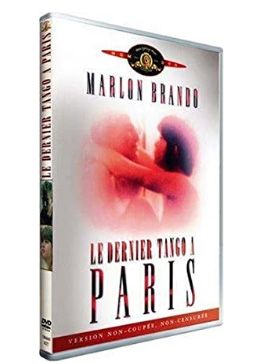
Last Tango in Paris
Synopsis
Last Tango in Paris is a legendary, profoundly controversial French-Italian erotic psychological drama directed by master filmmaker Bernardo Bertolucci. Set in Paris, the story follows Paul, a grieving, middle-aged American expatriate whose wife has recently committed suicide, and Jeanne, a young, free-spirited Parisian woman engaged to a filmmaker. When the two strangers cross paths while inspecting an empty apartment for rent, they engage in an immediate, raw, and anonymous sexual affair governed by strict rules: no personal details, no names, and no pasts. As their intense, animalistic encounters continue inside the bare apartment, emotional boundaries blur and psychological destruction ensues. The film remains a monumental cinematic milestone.
The Making of the Film
Director Bernardo Bertolucci collaborated with screenwriter Franco Arcalli to craft an intense exploration of grief, existential despair, and anonymous eroticism, drawing from his own psychoanalytic interests. Bertolucci wanted to capture the decaying urban beauty of Paris through expressionist cinematography by Vittorio Storaro. Marlon Brando was cast as the tortured protagonist, bringing legendary, semi-improvised emotional rautographic depth to the role alongside young newcomer Maria Schneider. The production achieved immense international notoriety and cultural fame.
Critical Reception
Professional critics offered polarized reviews upon its explosive release, with some praising it as a revolutionary masterpiece of erotic art and psychological depth, while others condemned it as obscene and exploitative. Reviewers lauded Marlon Brando's towering, agonizing lead performance and Bernardo Bertolucci's breathtaking directorial vision. Over subsequent decades, critical perspective has acknowledged its monumental artistic impact while reevaluating its controversial behind-the-scenes power dynamics. It remains one of the most analyzed films in cinematic history.
Audiences caused massive global box office sensations, turning the art-house drama into an unprecedented cultural phenomenon and sparking intense worldwide censorship battles. Viewers were captivated by the raw emotional intensity, stark Parisian locations, and legendary acting chemistry. Its cultural footprint on modern cinema and erotic drama is immeasurable. Its legacy continues to spark vital discussions in film history.
The film received two Academy Award nominations, including Best Actor for Marlon Brando and Best Director for Bernardo Bertolucci, cementing its legendary international legacy.
Behind-the-Scenes Stories
Director Bernardo Bertolucci drew inspiration from modern existential philosophy, psychoanalysis, and the bleak urban alienation of Paris to shape the narrative. Coordinating the intense, emotionally draining erotic scenes required delicate psychological direction, though subsequent historical revelations shed light on the heavy emotional toll placed on young actress Maria Schneider. During the filming inside the empty Parisian apartment, Marlon Brando frequently improvised profound personal monologues that elevated the script. Before Marlon Brando was secured, other major Hollywood stars were discussed.
Themes Explored
Grief, Eroticism, Alienation, Anonymity, Identity, Power Dynamics
Ending Explained
The tragic finale shows Paul being fatally shot by Jeanne after chasing her into the streets when he finally reveals his real name, ending their anonymous pact in bloody despair.
Meaning of the Title
The title symbolizes the final desperate, passionate dance of two broken souls before their secret anonymous relationship collapses into irrevocable tragedy.
Original Soundtrack
Gato Barbieri composed a phenomenal, haunting jazz saxophone score that perfectly captured the smoky, melancholic, and erotic atmosphere of Parisian alienation.
Emmanuelle, 9 1/2 Weeks, Eyes Wide Shut, The Dreamers