

 Français
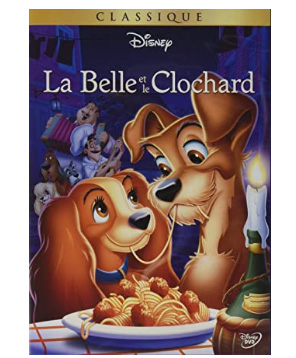
Lady and the Tramp
Synopsis
Set in a charming American suburban town around 1910, Lady is a pampered, elegant American Cocker Spaniel who lives a sheltered, luxurious life with her devoted human owners, Jim Dear and Darling. Her comfortable world is upended with the arrival of a newborn baby, followed by the interference of two spiteful Siamese cats owned by an eccentric aunt. Fleeing the house, Lady wanders into the dangerous city streets where she is rescued by Tramp, a street-smart, free-spirited stray mutt who lives by his wits behind the local Italian restaurant. As the pair embark on a romantic moonlight adventure—sharing a famous bowl of spaghetti in an alleyway—they bridge the vast social divide between pampered house pets and street strays.
The Making of the Film
Directors Clyde Geronimi, Wilfred Jackson, and Hamilton Luske helmed Disney's historic animated feature, which marked the studio's first animated film produced in widescreen CinemaScope. Walt Disney was inspired by his own dog-loving life and Ward Greene's magazine story 'Happy Dan, The Whistling Dog'.
Critical Reception
Professional critics universally acclaimed the film upon its 1955 release, praising its stunning widescreen cinematography, charming animal characters, and timeless musical numbers.
The general public made it a massive global box office blockbuster and an immortal family classic.
The film received widespread critical acclaim and remains one of the most beloved romantic animation milestones.
Behind-the-Scenes Stories
Director Clyde Geronimi and co-directors drew inspiration from dog behavior studies, early 20th-century American small-town nostalgia, and widescreen CinemaScope layouts. Production required specialized widescreen background painting techniques to capture low-canine-perspective framing throughout the film.
During the recording sessions, Peggy Lee provided sultry vocal performances and co-wrote several classic songs.
Initially, Disney animators debated the famous spaghetti-eating scene, fearing it would look silly, but Walt Disney championed it as the emotional centerpiece.
Themes Explored
The film explores social class divides, canine romance, domestic loyalty versus street freedom, and family belonging.
Ending Explained
The ending shows Tramp saving the family baby from a vicious rat in the nursery, winning the permanent love of the human family and being formally adopted alongside Lady.
Meaning of the Title
The title 'Lady and the Tramp' contrasts the social standings of the pampered purebred house dog and the free-spirited street mutt.
Similar Films
One Hundred and One Dalmatians, The Fox and the Hound, Aristocats, Bolt