

 Français
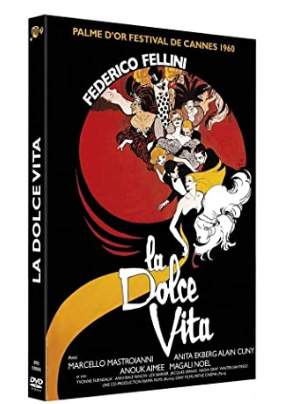
La Dolce Vita
Synopsis
Marcello Rubini is a cynical and disillusioned tabloid journalist working in the glamorous, hedonistic society of 1950s Rome. Over the course of seven episodic nights and days, he drifts through high-society parties, celebrity encounters, and shallow romances searching for true meaning. Despite surrounding himself with wealth, fame, and decadent aristocrats, Marcello feels spiritually empty and spiritually adrift. As dawn breaks over a desolate beach, he encounters a symbolic young innocent girl who reminds him of what he has lost.
The Making of the Film
Director Federico Fellini conceived the film as a sweeping satirical critique of modern Italian society and celebrity journalism in Rome. Fellini collaborated with master screenwriters like Tullio Pinelli and Ennio Flaiano to structure the episodic narrative. Produced by Angelo Rizzoli, the ambitious project faced immense controversy and censorship threats prior to its release.
Critical Reception
Critics initially greeted the film with immense controversy and outrage from conservative religious groups, but it soon became recognized as a monumental masterpiece of world cinema. Reviewers praised Fellinis visionary direction, stunning black-and-white cinematography, and Marcello Mastroiannis iconic lead performance. It revolutionized narrative structure by abandoning traditional plot arcs in favor of thematic vignettes.
Public reception was explosive, creating massive box-office records in Italy and sparking fierce cultural debates across Europe. Audiences were captivated by the glamorous yet decaying depiction of Roman high society and existential ennui. It remains one of the most influential films in motion picture history.
The film won the prestigious Palme dOr at the Cannes Film Festival and an Academy Award for Best Costume Design. It also received nominations for Best Director and Best Original Screenplay. Its cultural legacy is immeasurable, even coining the term paparazzi.
Filming Anecdotes
Director Federico Fellini drew inspiration from his own observations of Roman nightlife and tabloid culture to craft the episodic structure. He chose to recreate iconic Roman streets and cafes on massive soundstages at Cinecittà Studios for total creative control. His visionary aesthetic combined surrealism with harsh social realism.
Production faced severe controversy, religious protests, and political backlash from conservative Italian politicians who viewed the film as immoral. Marcello Mastroianni wore tailored suits and sunglasses that instantly defined an iconic era of cinematic cool. Anita Ekberg braved chilly water conditions during the legendary night fountain shoot.
A legendary sequence involves Anita Ekberg wading through the Trevi Fountain in a stunning black dress while calling out to Marcello. The scene became one of the most famous and romantic images in cinema history. The freezing water temperatures required Ekberg to wear a wetsuit underneath her evening gown.
The casting process cemented international stardom for its leading men and women. Marcello Mastroianni was cast because Fellini saw him as his cinematic alter ego, representing everyday weariness. Anita Ekberg was chosen for her striking, larger-than-life physical presence embodying postwar glamour.
Themes Explored
The film explores existential emptiness, spiritual corruption, the decadence of modern media, and alienation. It critiques the superficiality of celebrity culture and high-society hedonism. The loss of innocence and search for authentic purpose are central motifs.
NULL
Title Significance
The title translates ironically from Italian as The Sweet Life, describing the decadent lifestyle of Roman elites. It highlights the bitter reality of emptiness hiding beneath the glamorous facade.
NULL
NULL
Similar Films
Other similar films include 8½, The Great Beauty, and L'Avventura.