

 Français
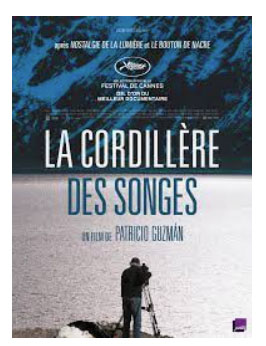
The Cordillera of Dreams
Synopsis
The Cordillera of Dreams explores the majestic, towering Andes mountain range that runs along the spine of Chile, viewing the colossal peaks not only as a stunning geological marvel, but as a silent, enduring witness to the country's turbulent political history, including the 1973 military coup and Pinochet's dictatorship. Directed by legendary Chilean documentarian Patricio Guzmán, the film combines breathtaking aerial cinematography of the mountains with haunting personal reflections on memory, exile, and the unyielding spirit of a nation still reckoning with its historical trauma.
The Making of the Film
Directed by master documentarian Patricio Guzmán, the film serves as the final installment in his acclaimed autobiographical trilogy examining Chilean history, following Chile, Obstinate Memory and The Pearl Button. The inspiration stemmed from Guzmán's lifelong exile in France and his deep spiritual connection to the Andes mountains guarding his homeland. The production utilized breathtaking aerial drone cinematography of the Andes and intimate archival footage.
Critical Reception
Critics universally lauded The Cordillera of Dreams as a masterpiece of documentary cinema, praising its sublime visual poetry, profound historical insight, and Guzmán's elegiac narration. Reviewers highlighted the film's brilliant metaphor connecting the geological permanence of the mountains with the scarred historical memory of the Chilean people. It achieved widespread international festival acclaim.
Audiences responded with deep emotional reverence, moved by the poetic majesty of the Andes.
The film earned major international awards, including the Golden Eye for Best Documentary at the Cannes Film Festival.
Behind-the-Scenes Stories
Patricio Guzmán drew heavy inspiration from his decades-long exile from Chile, poetry, and geological history.
Capturing the sheer scale of the Andes mountains required specialized high-altitude aerial drone camera crews.
During production, Guzmán recorded his deeply personal voiceover narration in Paris while reflecting on his homeland.
Casting historical witnesses, geologists, and artists brought profound intellectual depth to the documentary essay.
Themes Explored
The film explores Chilean political history, the Andes mountains, military dictatorship trauma, exile, collective memory, and documentary poetry.
Ending Explained
The meditative conclusion reflects on how the silent Andes will forever guard the memories of Chile's past struggles and enduring hope for freedom.
Meaning of the Title
Reference to the towering mountain range (The Cordillera of Dreams) serving as a silent guardian of Chile's historical memory and aspirations.
Similar films include The Pearl Button (El botón de nácar), Nostalgia for the Light, The Battle of Chile, and Gimme Shelter.