

 Français
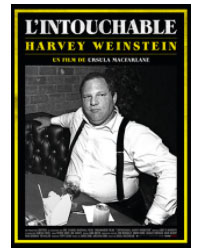
Untouchable
Synopsis
Untouchable chronicles the meteoric rise and catastrophic fall of disgraced Hollywood film producer Harvey Weinstein, detailing decades of widespread sexual abuse, harassment, intimidation, and systemic cover-ups within the entertainment industry. Through harrowing, courageous firsthand testimonies from his victims, whistleblowers, and investigative journalists, the documentary exposes how Hollywood power structures protected a serial predator for decades. The film serves as a landmark exposé of institutional abuse and the watershed #MeToo movement.
The Making of the Film
Directed by Ursula Macfarlane, the documentary was conceived as a comprehensive, rigorous investigative film examining how Harvey Weinstein maintained his reign of terror through fear, non-disclosure agreements, and media suppression. The inspiration stemmed from wanting to give voice to the survivors and analyze the toxic corporate culture that enabled decades of abuse. The production utilized archival news footage, Weinstein Company ephemera, and powerful sit-down interviews.
Critical Reception
Critics universally lauded Untouchable as a vital, harrowing masterpiece of investigative documentary filmmaking, praising its sensitive direction, courageous survivor testimonies, and unflinching examination of Hollywood power dynamics. Reviewers highlighted the film's emotional gravity and cultural importance in cementing the reality of the #MeToo movement. It achieved widespread critical acclaim.
Audiences responded with profound admiration for the survivors and shock at the systemic corporate corruption.
The film earned recognition across international documentary film festivals and television broadcasts for its vital journalistic impact.
Behind-the-Scenes Stories
Ursula Macfarlane drew heavy inspiration from investigative journalism reports published by The New York Times and The New Yorker.
Convincing survivors and former employees to speak on camera required immense trust-building, sensitivity, and secure production protocols.
During production, the interviewees shared harrowing accounts with extraordinary courage and dignity.
Casting real whistleblowers and victims brought undeniable authenticity and moral weight to the documentary.
Themes Explored
The film explores sexual abuse in Hollywood, corporate cover-ups, #MeToo movement, power dynamics, journalistic investigation, and systemic intimidation.
Ending Explained
The documentary concludes with Weinstein's eventual criminal indictment and downfall, marking a historic turning point for accountability in the entertainment industry.
Meaning of the Title
Reference to the false aura of invincibility (Untouchable) enjoyed by Harvey Weinstein before his empire collapsed.
Similar films include She Said, The Assistant, Leaving Neverland, and Framing Britney Spears.