

 Français
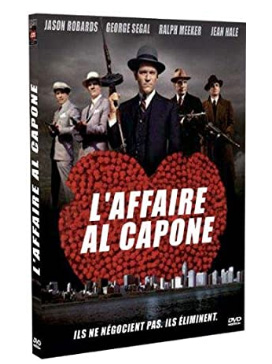
The St. Valentine's Day Massacre
Synopsis
Set in prohibition-era Chicago during the late 1920s, the semi-documentary crime film chronicles the brutal, methodical rise of notorious mob boss Al Capone as he wages a bloody territorial war against rival Irish gangster George 'Bugs' Moran for control of bootlegging rackets. Utilizing historical narration and meticulous attention to period detail, the narrative culminates in the infamous 1929 garage massacre where Capone's hitmen disguised as police officers execute seven members of Moran's gang in cold blood. Absolute ruthlessness defines the mob underworld.
The Making of the Film
Director Roger Corman stepped away from his usual low-budget horror roots to direct a lavish, high-end historical crime docudrama for 20th Century Fox. Producers insisted on rigorous historical research, ensuring Tommy guns, fedoras, and automobiles matched 1929 police records precisely. The production utilized massive studio soundstages in Los Angeles to construct authentic prohibition-era brick garages and speakeasies. Jason Robards was cast as Al Capone, bringing theatrical gravity to the mobster role. The film pioneered graphic violence for studio crime pictures.
Critical Reception
Critics offered generally favorable reviews, praising Roger Corman's efficient direction, historical accuracy, and Jason Robards's commanding lead performance. Reviewers noted that Corman successfully elevated B-movie mechanics into a chilling, documentary-style historical tragedy. Audiences appreciated the bloody action and prohibition-era atmosphere, turning it into a modest box-office success. It stands as a remarkable detour in Corman's legendary career.
Behind-the-Scenes Stories
Roger Corman drew visual inspiration from 1920s Chicago police photographic archives, newspaper headlines, and historical gangster accounts. Jason Robards studied Al Capone's physical mannerisms and Italian-American accent carefully. During filming on studio soundstages, the climactic garage massacre sequence required meticulous timing with squibs and blank-firing submachine guns to achieve historical gore realism. Uncredited young actor Jack Nicholson made a brief cameo appearance.
Themes Explored
The narrative explores prohibition-era bootlegging, gangland massacres, police corruption, ruthless ambition, and historical violence. It examines how unchecked organized crime overran municipal governance. Furthermore, it highlights brutality.
Ending Explained
The seven rival mobsters are brutally gunned down inside the garage, and while Capone evades murder charges due to alibis, his criminal empire eventually collapses under federal tax evasion indictments. A sobering historical conclusion closes the film.
Meaning of the Title
The American release title 'The St. Valentine's Day Massacre' refers directly to the historic 1929 gangland execution that forms the climax of the film.
Other prohibition-era gangster films such as The Untouchables, Miller's Crossing, and Once Upon a Time in America.