

 Français
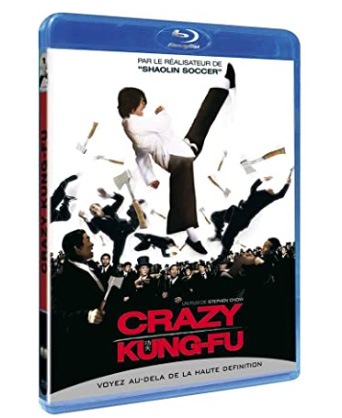
Kung Fu Hustle
Synopsis
In 1940s Shanghai, Sing is a small-time criminal who dreams of joining the feared Axe Gang, a ruthless organization that controls much of the city. When he attempts to intimidate the residents of a poor neighborhood known as Pig Sty Alley, he discovers that several seemingly ordinary inhabitants possess extraordinary martial arts abilities. The gang responds by sending increasingly dangerous fighters to eliminate them. As Sing becomes caught between his criminal ambitions and his growing awareness of his own potential, he must confront his past and decide what kind of person he wants to become.
The Making of the Film
Stephen Chow developed Kung Fu Hustle as a tribute to the Hong Kong martial arts films that fascinated him during his childhood. In interviews, he explained that the original inspiration came from an old black-and-white Cantonese kung fu movie from the 1960s. He wanted to combine the traditional martial arts cinema he admired with the exaggerated physical comedy that had become his trademark. The story takes place in a romanticized version of 1940s Shanghai, allowing him to recreate the atmosphere of classic Chinese gangster and martial arts films. Chow wrote, directed and starred in the production, giving him considerable creative control over its unusual visual universe. The screenplay deliberately combines elements of traditional wuxia stories, gangster cinema, cartoons and slapstick comedy. He also wanted to bring experienced martial arts performers back into the spotlight, including actors whose careers had been closely associated with earlier Hong Kong action films. The result was an ambitious international production that celebrated the history of kung fu cinema while introducing it to a new generation of viewers.
Reviews and Reception
Professional reviews: Critics generally praised the film for its inventive combination of martial arts, comedy and spectacular visual effects. Stephen Chow received recognition for his imaginative direction and his ability to combine apparently incompatible cinematic styles. The action choreography and the performances of the veteran martial arts actors were particularly appreciated. Some reviewers considered the humor excessively exaggerated, but most recognized the originality of the production.
Audience reception: Kung Fu Hustle became an international success and attracted audiences far beyond the traditional market for Hong Kong cinema. Its energetic action sequences and unusual comic characters helped it develop a strong international following. The film was especially popular among viewers who appreciated the mixture of traditional kung fu and modern special effects. Its reputation has continued to grow as one of the most distinctive martial arts comedies of the 2000s.
Awards: The film received numerous nominations and awards, particularly within Asian cinema. It won several honors at the Hong Kong Film Awards, including recognition for its action choreography and visual effects. It also received international recognition for its editing, sound and special effects. Its success confirmed Stephen Chow's status as an internationally influential filmmaker and performer.
Behind-the-Scenes Stories
Director's inspirations: Stephen Chow drew heavily on the martial arts films he had watched as a child. He wanted to pay tribute to the performers and choreographers who had shaped Hong Kong action cinema. The contrast between ordinary-looking residents and extraordinary martial arts masters was inspired by the traditional kung fu genre. Chow also incorporated the exaggerated visual language of cartoons and classic slapstick comedy.
Production challenges: The production required extensive coordination between martial arts performers, stunt specialists and visual effects teams. The combination of practical stunts and computer-generated imagery was particularly demanding. The filmmakers spent several years developing the project and creating its distinctive visual style. Convincing veteran martial arts performers to return to major screen roles was another important challenge.
Notable scene: The battle involving the Landlady and the Axe Gang's opponents is one of the film's most memorable sequences. The choreography combines traditional martial arts techniques with deliberately exaggerated comic effects. The appearance of the two mysterious musicians introduces an unusual musical dimension to the action. This sequence illustrates how the film constantly transforms familiar kung fu conventions into something unexpected.
Original casting: Stephen Chow selected numerous performers with experience in classic Hong Kong martial arts cinema. Yuen Wah and Yuen Qiu were particularly important additions to the cast. Bruce Leung also returned to the screen after a long absence. Their presence gave the film a strong connection to the history of Hong Kong action movies.
Themes Explored
Kung Fu Hustle explores the possibility of personal transformation through courage and compassion. Sing initially believes that becoming a feared criminal is the only way to gain respect in a violent society. His encounters with the inhabitants of Pig Sty Alley gradually challenge this belief. The film contrasts selfish ambition with the generosity of ordinary people who defend one another. Hidden talent is another important theme, as several apparently insignificant characters reveal extraordinary abilities. The story also examines the difference between possessing physical strength and having genuine moral strength. Redemption becomes possible when Sing finally recognizes the consequences of his actions and chooses a different path. Beneath its absurd humor and spectacular action, the film celebrates the idea that goodness can survive even in an apparently brutal world.
Ending Explained
The final confrontation reveals that Sing has finally discovered his true potential as a martial artist. After enduring humiliation and repeated defeats, he reaches a level of understanding that allows him to overcome the powerful Beast. His transformation is not simply physical but also moral, as he abandons the selfish ambitions that initially motivated him. The residents of Pig Sty Alley are no longer forced to face their enemies alone. Sing becomes the protector he once believed could only exist in legends. His victory also symbolizes the possibility of escaping a destructive past. The final moments show him opening a small candy shop, echoing a childhood memory associated with kindness and affection. The story therefore ends with a return to innocence and the possibility of a better life.
Meaning of the Title
The title Kung Fu Hustle combines the traditional Chinese martial art of kung fu with the informal expression hustle. Kung fu represents discipline, physical mastery and a long cultural tradition of martial arts storytelling. Hustle suggests street life, criminal ambition, deception and the struggle to survive in an unforgiving environment. This combination perfectly reflects the film's unusual universe, where ancient martial arts traditions coexist with urban criminal organizations. It also captures the contrast between the spiritual discipline of genuine martial artists and the opportunistic behavior of street criminals. The title deliberately sounds energetic and playful, reflecting Stephen Chow's comic approach. It introduces a film that treats traditional kung fu with affection while constantly making fun of its conventions. Ultimately, it summarizes the collision between martial arts mythology and everyday criminal survival.
The soundtrack is one of the film's distinctive artistic elements. Raymond Wong composed much of the original score, drawing inspiration from traditional Chinese orchestral music and classic martial arts cinema. The Hong Kong Chinese Orchestra performed important portions of the music. Traditional compositions and familiar classical works reinforce the film's mixture of historical atmosphere and exaggerated action. The contrast between the soundtrack and the visual comedy gives several fights their distinctive personality. The music helps establish the atmosphere of a mythical version of 1940s Shanghai.
Similar Films
Shaolin Soccer is another Stephen Chow comedy that combines traditional Chinese martial arts with exaggerated visual humor. Drunken Master offers a classic example of the Hong Kong kung fu tradition that inspired the film. The Legend of Drunken Master combines spectacular choreography with physical comedy. Crouching Tiger, Hidden Dragon explores the poetic and spiritual dimensions of traditional martial arts. Hero offers another visually ambitious interpretation of Chinese martial arts mythology. The Matrix combines action choreography with innovative visual effects and extraordinary combat abilities. Kung Fu Panda pays tribute to kung fu cinema through humor, memorable characters and a story of personal transformation. These films share Kung Fu Hustle's fascination with martial arts, spectacle and the extraordinary possibilities hidden within ordinary individuals.