

 Français
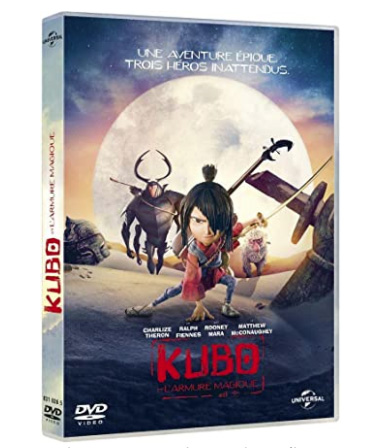
Kubo and the Two Strings
Synopsis
A young, one-eyed boy living in a mythical ancient Japan must use his magical shamisen to bring origami figures to life and protect his family. Accompanied by an animated snow monkey and a cursed beetle-samurai warrior, he embarks on an epic quest to find his late father's mystical armor. Along the way, he uncovers dark secrets regarding his celestial grandfather, the Moon King. This visually stunning stop-motion masterpiece blends breathtaking animation with heartfelt folklore.
The Making of the Film
The genesis of Kubo and the Two Strings came from Laika CEO Travis Knight's deep passion for Japanese art, samurai culture, and intricate stop-motion animation storytelling. The creative team wanted to craft an original epic fantasy that married the visual aesthetics of traditional Japanese woodblock prints with cutting-edge 3D printing technology. Knight and his writers were inspired by classical mythology and the idea of storytelling itself as a powerful weapon against grief and darkness. The project took years of painstaking development to establish a distinct artistic tone that honored Japanese cultural traditions while delivering universal emotional resonance.
Critical Reception
Professional critics lauded Kubo and the Two Strings as a breathtaking triumph of stop-motion animation, praising its stunning visual artistry, intricate world-building, and profound emotional depth. Reviewers praised the film for treating young audiences with intellectual and emotional maturity, tackling themes of memory, family trauma, and loss. The public was captivated by the sheer technical brilliance and heartfelt narrative, though it performed modestly at the box office due to its original intellectual property status. The film received widespread accolades, including Academy Award nominations for Best Animated Feature and Best Visual Effects, cementing its status as a modern animation classic. Critics and audiences alike celebrated it as Laika's most ambitious and artistically accomplished project to date.
Filming Anecdotes
Director Travis Knight drew heavy inspiration from traditional Japanese ukiyo-e art styles, Akira Kurosawa samurai films, and folklore to construct the film's unique visual landscape. Production was a monumental technical undertaking, requiring years of meticulous stop-motion labor, including the creation of a massive, record-breaking giant skeleton puppet that stood over sixteen feet tall. During the production of the complex magical battle sequences, animators had to invent entirely new 3D-printing techniques to capture fluid facial expressions and flowing clothing movement. Before the final script and character designs were locked in, the studio went through numerous conceptual iterations, ultimately refining the balance between dark fantasy and family-friendly adventure.
Main Themes
The film explores deep themes of memory, grief, reconciliation, and the enduring power of storytelling to heal fractured families. It highlights the importance of empathy and understanding over vengeance, showing how memories of loved ones live on through shared tales. Additionally, it celebrates Japanese cultural heritage and the timeless battle between light and darkness.
Ending Explanation
The climax resolves the epic confrontation as Kubo faces the malevolent Moon King not with physical violence, but by weaving together the cherished memories of the village people using his magical music. By reminding the celestial entity of the warmth and complexity of human mortal experiences—specifically love and sorrow—the Moon King is pacified and transformed into a mortal human. Kubo finds peace, honoring his parents' legacy and surrounded by his loyal companions in a peaceful, united village.
Title Significance
The title refers directly to the young protagonist, Kubo, and the magical musical instrument—the shamisen—powered by two strings made from his mother's hair and his own bowstring. It signifies his connection to his family lineage, his magical heritage, and the power of his artistic creations to shape reality.
The film features a memorable, critically acclaimed musical score composed by Dario Marianelli, highlighted by a stunning, folk-infused cover of The Beatles' "While My Guitar Gently Weeps" performed by Regina Spektor.
NULL
The Secret of Kells, Song of the Sea, Coraline, The Tale of the Princess Kaguya