

 Français
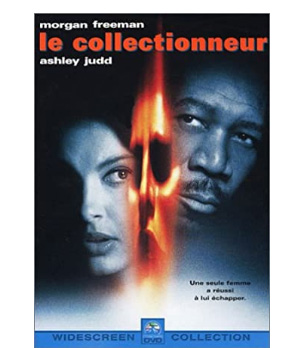
Kiss the Girls
Synopsis
This gripping psychological thriller follows forensic psychologist and detective Alex Cross as he investigates the terrifying abduction of his niece in North Carolina. Teaming up with Dr. Kate McTiernan, the only victim to escape a sadistic mastermind who calls himself Casanova, Cross delves into a shadowy underground web of kidnapped women. As they track the elusive killer across state lines, they uncover a sprawling syndicate of criminals hiding in plain sight. It is a suspenseful cat-and-mouse game filled with clever twists and high-stakes tension.
The Making of the Film
The project originated from the immense commercial success of James Patterson's bestselling novel 'Kiss the Girls', which introduced readers to the iconic forensic psychologist Alex Cross. Producers sought to adapt the page-turning thriller into a high-profile cinematic feature that could launch a major franchise. Inspiration was drawn directly from Patterson's detailed procedural writing and psychological profiling techniques used by real law enforcement agencies. The creative team aimed to maintain the dark, suspenseful tone of the book while translating its intricate web of clues into a fast-paced cinematic narrative.
Critical Reception
Critics offered a mixed array of reviews, praising the strong central performances and fast-paced tension while critiquing some of the more predictable thriller tropes. Reviewers noted that Morgan Freeman brought immense gravitas and intelligence to the role of Alex Cross, elevating standard procedural material. The chemistry between the lead investigators was widely cited as a stabilizing anchor amidst the grim subject matter. While certain plot twists felt rushed compared to the source novel, the overall atmospheric suspense kept viewers engaged throughout.
General audiences responded enthusiastically, turning the film into a solid box office success driven by strong word-of-mouth and thriller enthusiasts. Viewers on public platforms praised the gripping cat-and-mouse dynamic and the relentless sense of danger surrounding the captive women. Many noted that the film delivered an entertaining adaptation that stayed faithful to the spirit of the popular book series. Home video rentals further solidified its reputation as a quintessential 1990s psychological crime thriller.
Awards season brought minor recognition within genre-specific categories, honoring the film's effective editing and sound design in building suspense. Critics' guilds appreciated the tight pacing and the skillful execution of the climactic rescue sequences. Although it did not capture major Academy Award nominations, the production was celebrated for establishing a successful cinematic blueprint for modern detective thrillers. These accolades reinforced its status as a notable entry in late-90s crime cinema.
Behind-the-Scenes Stories
The director drew visual inspiration from classic neo-noir cinema and documentary-style police procedurals to establish a gritty, realistic aesthetic. Every location shoot, from the wooded landscapes of North Carolina to the urban alleys, was chosen to reflect the chilling isolation of the victims. The production team collaborated closely with law enforcement consultants to ensure that profiling methods and forensic investigation techniques looked authentic. These artistic choices were intentionally designed to ground the dark narrative in believable reality.
Production faced intricate logistical hurdles when coordinating complex night shoots across multiple states under tight weather constraints. The stunt department had to carefully orchestrate the dangerous cliffside rescue scenes to ensure absolute actor safety during physical altercations. Additionally, condensing a densely plotted novel into a standard feature runtime required numerous script revisions during principal photography. The crew worked under high pressure to maintain narrative continuity across shifting investigative timelines.
One of the most intense sequences involved the heroine's daring escape from the underground labyrinth where the captives were held. To achieve genuine panic, the actress performed her physical stunts inside a claustrophobic, dark set designed to simulate underground tunnels. The director utilized tight framing and disorienting lighting cues to heighten the feeling of absolute entrapment. This dedication resulted in a heart-pounding sequence that became a defining highlight of the film.
Initial casting discussions heavily favored securing top-tier dramatic talent to anchor the complex psychological relationship between the detective and the escaped victim. The lead actor was attached early in development, bringing immediate credibility and depth to the character of Alex Cross. Supporting casting directors searched extensively for dynamic performers who could project vulnerability and resilience. This thoughtful casting process created a compelling ensemble capable of driving the suspenseful plot.
Themes Explored
The narrative deeply explores themes of resilience, trauma survival, and the psychological fortitude required to overcome unimaginable captivity. It examines the dark underbelly of human obsession, control, and systemic abuse of power. Additionally, it highlights the brilliant application of forensic psychology and deductive reasoning in hunting predators. Ultimately, the film reflects on justice, loyalty, and the unyielding instinct to protect the innocent.
Ending Explained
The story concludes when Alex Cross successfully unmasks the secondary mastermind operating within the local police force, leading to a tense showdown at the kidnapper's hideout. Dr. McTiernan confronts her tormentor and aids in his neutralization, achieving profound psychological closure from her trauma. The final moments show Cross returning home, having dismantled the criminal network and secured justice for all victims.
Meaning of the Title
The title refers to a chilling nursery rhyme motif used by the sadistic killer to taunt his victims and investigators.
Original Soundtrack
The atmospheric musical score by Mark Isham received praise for blending orchestral suspense with haunting electronic textures, effectively heightening the psychological dread.
Similar Films
Films sharing similar crime thriller and profiling themes include Along Came a Spider (2001), Seven (1995), and The Bone Collector (1999).