

 Français
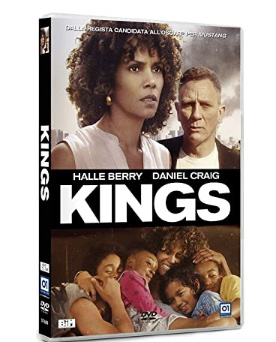
Kings
Synopsis
Set against the tense backdrop of Los Angeles during the spring of 1992, the film follows a tight-knit foster family living in South Central. Obie Henderson is a stoic neighborhood protector who looks after a house full of troubled foster children taken in by single mother Millie Austin. As racial tensions reach a boiling point following the verdict in the Rodney King trial, the neighborhood erupts into civil unrest. Millie and Obie must brave the chaos of the burning city to track down and protect the children from escalating street violence.
The Making of the Film
Director and writer Deniz Gamze Ergüven conceived the project to examine the systemic racial tensions and explosive atmosphere leading up to the 1992 Los Angeles riots. Inspired by historical accounts and archival footage of the period, Ergüven sought to blend an intimate family drama with a sweeping urban crisis. Securing international financing, the director aimed to bring a distinct foreign auteur perspective to a uniquely American historical trauma. The script focused on human vulnerability amidst institutional collapse.
Critical Reception and Reviews
Professional Critic Reviews
Critics offered generally negative-to-mixed reviews, praising the ambitious scope, strong atmospheric tension, and earnest performances of Halle Berry and Daniel Craig. However, reviewers heavily criticized the script for melodramatic tonal shifts and an unconvincing romantic subplot that detracted from the historical gravity of the riots. Some critics felt the narrative struggled to balance intimate foster family dynamics with large-scale socio-political commentary. Despite the critique, the film's visual ambition was acknowledged.
Public Reception
Audiences responded moderately, drawn by the star power of the leads and the dramatic historical setting, though word-of-mouth remained subdued. Many viewers noted that the film shed light on an underrepresented perspective of community resilience during a dark chapter of American history. The chaotic street scenes captured the genuine panic of the era effectively.
Awards and Honors
While the film did not secure major mainstream festival awards, Deniz Gamze Ergüven received recognition for her distinctive visual direction following her acclaimed breakout feature 'Mustang'. The production design team was commended for successfully recreating early 1990s Los Angeles architecture and atmosphere.
Filming Anecdotes
Director's Inspirations
Deniz Gamze Ergüven drew inspiration from 1970s American political thrillers and gritty urban dramas that focus on community solidarity under siege. She studied extensive documentary footage of the 1992 Los Angeles riots to capture the authentic social panic and civic breakdown. The visual aesthetic contrasted warm domestic interior spaces with harsh, smoky outdoor riots.
Production Difficulties
Recreating 1992 Los Angeles street riots on modern production schedules required extensive street blocking, specialized special effects, and crowd control coordination. Managing complex emotional sequences amid loud pyrotechnics and smoke machines tested the endurance of the cast. Securing period-accurate vintage vehicles and wardrobe across urban shooting locations demanded rigorous logistical planning.
Particular Scene Anecdote
An intense confrontation scene outside a corner store during the height of the riots was filmed over several consecutive night shoots with dozens of background extras. Halle Berry performed several rigorous physical sprints through smoke-filled mock streets to convey desperate maternal urgency. Daniel Craig brought quiet intensity to his preparation for scenes depicting neighborhood protection.
Initial Casting Choices
Halle Berry was the first major star attached to the project, bringing passionate advocacy for the historical importance of the narrative. Daniel Craig joined subsequently as her eccentric neighbor, providing an interesting dynamic within the foster household. The young actors portraying the foster children were chosen through extensive open casting calls across Los Angeles schools.
Themes Explored
The film explores institutional racism, police brutality, and the fragile fabric of community solidarity during civil unrest. It examines the fierce protective instincts of motherhood within a hostile socio-political environment. Another major theme is the clash between societal justice and mob mentality. Ultimately, it highlights human resilience amidst systemic chaos.
Explanation of the Ending
The story concludes with Millie and Obie successfully gathering the foster children and escaping the immediate danger of the burning city as the National Guard restores order. Their fragile family unit remains battered but intact, symbolizing survival against overwhelming odds. The final scenes offer a quiet, solemn reflection on the scars left by the riots upon the community. It signifies endurance and the hope for a more just future.
Meaning of the Title
The title 'Kings' has a dual meaning, referencing both the historical Rodney King trial that sparked the 1992 riots and the surname of the central foster family (Millie Austin and her makeshift clan). It highlights the intersection of broad historical events and intimate personal lives. The brief, punchy title underscores the urban scope of the drama.
["La Haine", "Do the Right Thing", "Detroit"]