

 Français
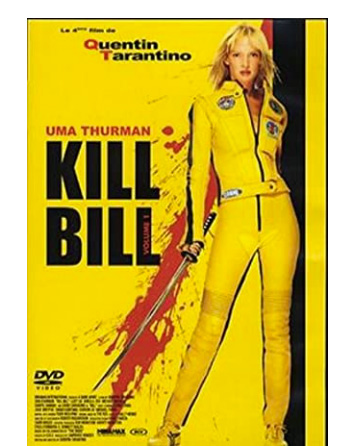
Kill Bill: Vol. 1
Synopsis
A former assassin known as the Bride awakens from a four-year coma after her former lover and assassination squad ruthlessly slaughtered her wedding party and left her for dead. Vowing absolute vengeance, she embarks on a bloody global quest to hunt down each member of the Deadly Viper Assassination Squad one by one. Wielding a master-crafted Hattori Hanzo katana, she cuts a path of retribution toward her ultimate target, Bill. This stylish action masterpiece blends martial arts cinema, spaghetti westerns, and anime aesthetics.
The Making of the Film
Director Quentin Tarantino and star Uma Thurman originally conceived the character of the Bride during the production of Pulp Fiction years prior. The project was inspired by a shared love for 1970s martial arts cinema, Japanese chanbara films, and classic revenge exploitation movies. Tarantino wanted to create a grand cinematic homage to global action genres, breaking the massive script into two distinct volumes due to its epic length. Production was designed as a visual feast celebrating cinema history.
Critical Reception
Professional critics showered the film with widespread acclaim, praising its breathtaking cinematography, inventive action choreography, and bold stylistic direction. Reviewers highlighted Uma Thurman's fierce and magnetic lead performance as a defining icon of modern cinema. The seamless blending of multiple film genres and pop culture references was lauded as a masterclass in auteur filmmaking.
Public reception was a phenomenal global triumph, captivating audiences with its thrilling pacing, iconic soundtrack, and unforgettable sword-fighting sequences. It quickly established itself as a cultural milestone of the 2000s, generating immense excitement for the conclusion. Fans embraced every intricate detail of the Bride's bloody crusade.
Awards and recognition included numerous nominations at major award ceremonies, including Golden Globe nods for Uma Thurman and critical association wins worldwide. It frequently ranks near the top of lists compiled for the greatest action films ever made. The movie solidified Quentin Tarantino's legendary status as a visionary cinematic storyteller.
Filming Anecdotes
The director drew massive inspiration from classic Shaw Brothers kung fu films, Japanese samurai cinema, and spaghetti westerns. The production utilized a vibrant color palette and a groundbreaking animated sequence created by Production I.G to enrich the storytelling depth. Every fight scene was meticulously choreographed to reflect different global martial arts traditions and cinematic styles.
Production challenges included managing an exhaustive and physically demanding shooting schedule that spanned multiple continents over nearly a year. Uma Thurman underwent months of rigorous martial arts and sword-fighting training to perform the complex choreography safely and convincingly. The massive House of Blue Leaves battle required weeks of delicate coordination with dozens of stunt performers and practical blood effects.
A memorable anecdote involves the iconic yellow tracksuit worn by the Bride, which was chosen as a direct tribute to Bruce Lee's final film Game of Death. Quentin Tarantino personally requested that the outfit be exact to capture the nostalgic martial arts spirit. This visual choice became one of the most recognizable pop culture symbols of the decade.
The casting process was designed with specific actors in mind, having written the lead role specifically for Uma Thurman during their previous collaborations. Lucy Liu and Vivica A. Fox were brought in to portray formidable former squad members with intense screen presence. Sonny Chiba was cast as legendary swordmaker Hattori Hanzo, adding authentic martial arts royalty to the production.
Themes Explored
The themes explored include vengeance, maternal love, betrayal, and the inescapable weight of one's past actions. The narrative examines honor among killers and the brutal cost of seeking retribution. It also celebrates female empowerment and survival against insurmountable odds.
Explanation of the Ending
The ending of Volume 1 concludes with the Bride defeating O-Ren Ishii in a visually stunning snowy garden duel after a massive restaurant massacre. Following the brutal battle, she leaves a warning for the remaining assassins on her hit list. In the final moments, a shocking revelation is dropped when it is hinted that her daughter, whom she believed was dead, might actually still be alive.
Title Significance
The title 'Kill Bill' directly states the primary objective and driving motivation of the protagonist throughout her epic journey. It serves as a blunt, catchy command that encapsulates the entire premise of the revenge narrative. The numerical designation 'Vol. 1' indicates the expansive scope of the cinematic story.
Original Soundtrack
The film features an extraordinary, eclectic musical score curated by Quentin Tarantino, blending Enricomorrione spaghetti western themes, 1960s pop tracks, and soul music into an unforgettable auditory experience.
The film remains a staple of pop culture, inspiring ongoing merchandise lines, anniversary screenings, and discussions about potential future franchise expansions.
Lady Snowblood, Pulp Fiction, Enter the Dragon, Django Unchained