

 Français
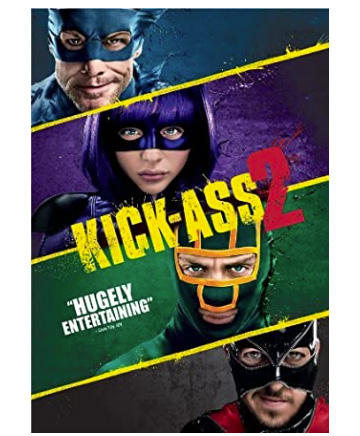
Kick-Ass 2
Synopsis
Following his initial vigilante exploits, Kick-Ass inspires a wave of ordinary citizens to don homemade superhero costumes and fight crime on city streets. He joins forces with a quirky team of costumed crusaders led by the charismatic Colonel Stars and Stripes. Meanwhile, the vengeful Red Mist rebrands himself as the world's first supervillain, gathering an army of ruthless mercenaries to destroy Kick-Ass and avenge his father. Hit-Girl struggles to navigate normal teenage high school life while suppressing her lethal vigilante instincts. When the villainous syndicate targets the new superhero coalition, an explosive urban war erupts.
The Making of the Film
Based on Mark Millar and John Romita Jr.'s acclaimed comic book sequel, the film adaptation was greenlit following the cult success of the first movie, though Matthew Vaughn stepped down to produce while Jeff Wadlow took over writing and directing duties. The filmmakers sought to expand the scope of the universe by introducing a wider roster of eccentric heroes and villains while exploring the darker consequences of real-world vigilantism. The production aimed to balance extreme comedic satire with genuine emotional stakes.
Critical Reception
Professional critics delivered mixed reviews, praising the energetic performances and humorous action sequences while criticizing the film for its excessive violence, cynical tone, and uneven narrative structure. Some reviewers felt the sequel lacked the fresh satirical brilliance and emotional heart of the original 2010 motion picture, leaning too heavily into crude shock value.
Audience reception was generally favorable among fans of comic book adaptations, drawing crowds who appreciated the uninhibited dark comedy and explosive action choreography. While it did not match the astronomical cultural impact of its predecessor, it maintained a dedicated following.
The film received several nominations at genre-specific awards ceremonies, celebrated primarily for its stunt work and comic-to-screen adaptation fidelity.
Shooting Anecdotes
Director Jeff Wadlow drew inspiration from classic 1970s revenge thrillers and gritty comic book arcs, aiming to heighten the visual contrast between colorful superhero outfits and brutal urban violence.
Production faced minor controversies regarding promotional marketing and the film's violent content, though the cast and crew defended its satirical comic book roots.
During the filming of a complex street fight sequence, Jim Carrey famously utilized his trademark improvisational comedy skills to invent spontaneous background gags for Colonel Stars and Stripes' trained dog.
Before filming commenced, several discussions took place regarding how to handle Chloe Grace Moretz's aging up between films, prompting the script to lean heavily into Hit-Girl's teenage identity crisis.
Themes Explored
Identity, teenage angst, the consequences of vigilantism, loyalty, and the line between fantasy and reality.
Explanation of the Ending
Kick-Ass defeats Mother Russia and helps dismantle the villainous syndicate, while Chris D'Amico is seemingly left for dead after falling into a shark enclosure. Dave Lizewski realizes that being a hero is not about wearing a costume but about making courageous choices every day, securing peace in the city.
Signification of the Title
The title signifies the continuation of the protagonist's superhero moniker and the escalation into a larger, more destructive sequel.
Kick-Ass, Super, Defendor, Scott Pilgrim vs. the World