

 Français
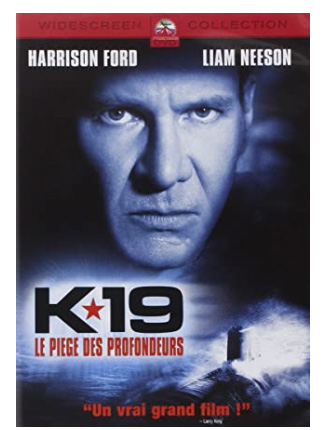
K-19: The Widowmaker
Synopsis
Set in 1961 during the height of the Cold War, the Soviet Union's first nuclear submarine, K-19, suffers a catastrophic reactor failure on its maiden voyage. Captain Alexei Vostrikov and his executive officer Mikhail Polenin must work together with the loyal crew to prevent a nuclear meltdown that could spark World War III. Working under immense pressure in toxic conditions, the sailors exhibit extraordinary heroism to save their vessel. The harrowing ordeal leaves a lasting legacy on the Soviet naval history and the lives of those involved.
The Making of the Film
The idea for the film originated from the desire to tell a respectful story about Russian sailors facing an unimaginable maritime disaster during the tense standoff of the Cold War. Director Kathryn Bigelow was drawn to the project because of the profound human drama, leadership conflicts, and ethical dilemmas faced by the crew under extreme pressure. While inspired by true historical events surrounding the Soviet submarine K-19 in July 1961, the screenplay took dramatic liberties to heighten the narrative tension and emotional resonance. The production team conducted extensive research into Soviet naval protocols and consulted with former submariners to ensure authenticity in the portrayal of the era.
Critical Reception
Professional critics offered mixed reviews upon the film's theatrical release, often praising its technical craftsmanship, claustrophobic atmosphere, and powerful performances by Harrison Ford and Liam Neeson. Many reviewers admired the gripping tension during the reactor crisis and the respectful humanization of Soviet sailors during the Cold War. However, some historical purists and critics felt that the narrative relied too heavily on conventional Hollywood disaster tropes and formulaic storytelling. Others pointed out various historical inaccuracies regarding Soviet naval procedures and political commissar dynamics of the period.
The public reception was somewhat lukewarm at the box office, as audiences found it challenging to fully connect with a high-budget American production portraying Soviet military personnel speaking English with accents. Despite failing to recoup its massive production budget during its theatrical run, the film gradually found a more appreciative audience on home video and streaming platforms. Viewers over the years have come to value its gripping suspense, high production values, and the poignant tribute to the real-life sacrifices of the submariners.
The film received several nominations from technical guilds and award ceremonies, primarily recognizing its impressive sound design, visual effects, and atmospheric cinematography. While it did not capture major Academy Award categories, its technical achievements were widely acknowledged by industry peers. Nominations included recognition for sound editing and musical composition, highlighting the immersive auditory experience created to simulate the terrifying depths of the ocean.
Shooting Anecdotes
Director Kathryn Bigelow drew heavy visual and atmospheric inspiration from classic submarine thrillers as well as historical documentaries detailing Soviet naval architecture. She wanted to capture the oppressive, metallic claustrophobia of a 1960s nuclear vessel to make the audience feel trapped alongside the panicked crew.
Production faced severe logistical hurdles, including filming in cramped replica sets and dealing with the physical strain of portraying freezing water and toxic steam environments. Actors underwent intense physical conditioning to convincingly portray exhausted, radiation-poisoned sailors enduring grueling conditions deep beneath the sea.
A particularly memorable scene involving the manual repair of the cooling pipes inside the hot reactor compartment was filmed with high emotional intensity. The actors' sweat and exhaustion in that sequence were genuine results of the stifling heat generated by the specialized studio lighting and enclosed set designs.
Before Harrison Ford and Liam Neeson secured the lead roles, several other prominent Hollywood actors were considered for the iconic parts of the rigid captain and the pragmatic executive officer. The casting choices ultimately shifted to establish a powerful generational and ideological clash between the two seasoned stars.
Thematic Exploration
Leadership under pressure, duty versus humanity, sacrifice, and the dehumanizing nature of the Cold War military machine.
Ending Explanation
The film concludes with the surviving crew members returning home under a cloud of official secrecy, sworn to silence by Soviet authorities to protect state secrets. Decades later, the surviving veterans reunite to honor their fallen comrades who absorbed lethal doses of radiation to prevent an atomic explosion.
Title Significance
The original Russian designation K-19 represents the specific hull number of the doomed nuclear submarine, while the American subtitle The Widowmaker refers to the vessel's grim reputation for fatal accidents and mechanical failures even before its commissioning.
Original Soundtrack
Composed by Klaus Badelt, the majestic and solemn orchestral score utilizes heavy brass and haunting choral arrangements to capture both the icy desolation of the ocean and the tragic heroism of the Soviet sailors.
News
The film continues to be studied by cinematic historians as a rare Hollywood attempt to examine a Cold War maritime disaster primarily from the perspective of Soviet military personnel.
Similar Films
Das Boot, Crimson Tide, The Hunt for Red October, Master and Commander: The Far Side of the World