

 Français
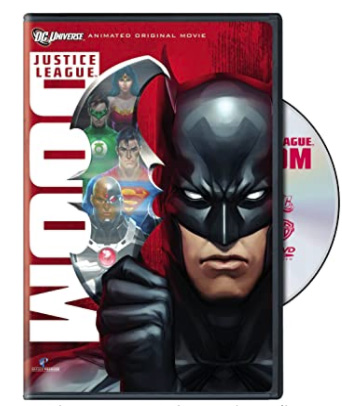
Justice League: Doom
Synopsis
Batman secretly compiles contingency plans to neutralize every member of the Justice League should they ever turn rogue, ensuring the safety of humanity. However, these classified files are stolen by the immortal villain Vandal Savage, who recruits a lethal league of supervillains to exploit each hero's specific weakness. As the Justice League faces coordinated, near-fatal attacks from their greatest enemies, they must uncover the betrayal and regroup to save the world. This gripping animated superhero adventure delivers high stakes and intense action.
The Making of the Film
The concept for Justice League: Doom was adapted from the acclaimed 2000 comic book storyline "Tower of Babel" written by Mark Waid for DC Comics. Producer Bruce Timm and director Lauren Montgomery sought to translate the fan-favorite narrative into the ongoing line of DC Universe Animated Original Movies. Writer Dwayne McDuffie adapted the script, introducing key substitutions and tailoring the plot to fit the established animated continuity. The creative team wanted to explore the psychological tension and trust issues within the superhero team caused by Batman's extreme paranoia and secret precautionary measures.
Critical Reception
Professional critics and comic book fans gave overwhelmingly positive reviews to Justice League: Doom, praising its sharp writing, fast-paced action, and mature exploration of superhero ethics. Reviewers commended the film for tackling complex moral dilemmas regarding trust, security, and friendship within the superhero community. The public response was enthusiastic, making it one of the most popular and commercially successful releases in the DC animated catalog. Audiences particularly enjoyed seeing the unique ways villains exploited each hero's tailored vulnerability. The film received widespread acclaim across animation fan communities for its faithful yet inventive adaptation of source material.
Filming Anecdotes
Director Lauren Montgomery drew inspiration from classic comic book source material, noir detective stories, and epic superhero team-up dynamics to establish a dramatic visual tone. Production relied on traditional hand-drawn animation combined with polished digital effects to render complex battle sequences like Superman's kryptonite poisoning and Wonder Woman's sensory overload. During the voice recording sessions, veteran voice actors like Kevin Conroy and Tim Daly brought deep emotional resonance to their iconic roles as Batman and Superman. Before the final script was finalized, several narrative adaptations were explored to balance screen time among the massive superhero roster.
Main Themes
The film explores themes of trust, paranoia, friendship, accountability, and the ethical boundaries of preventive security measures. It examines whether preparing contingency plans against allies constitutes a betrayal or a necessary precaution. Furthermore, it highlights teamwork and forgiveness when facing existential threats.
Ending Explanation
The climax resolves the crisis when the surviving Justice League members thwart Vandal Savage's apocalyptic plan to wipe out a large portion of humanity using a stolen solar device. With the world saved, the heroes gather for a formal team meeting to address the elephant in the room: Batman's secret contingency files. Batman openly defends his actions as a necessary precaution but chooses to resign from the League when confronted by his peers' loss of trust in him. The film ends on a sobering note, emphasizing that true security relies on mutual faith rather than paranoia.
Title Significance
The title highlights the impending global catastrophe and doom brought about by Vandal Savage's coordinated assault against the world's greatest heroes.
NULL
NULL
Justice League: The Flashpoint Paradox, Batman: Under the Red Hood, The Avengers, Justice League Dark