

 Français
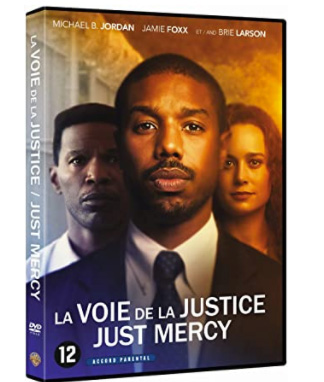
Just Mercy
Synopsis
A brilliant young Harvard graduate lawyer turns down lucrative corporate opportunities to move to Alabama and found the Equal Justice Initiative, defending condemned death row inmates who lack proper representation. He takes on the harrowing case of Walter McMillian, an African-American man unjustly sentenced to death in 1987 for the murder of an 18-year-old girl despite overwhelming evidence of his innocence. Facing entrenched racial bias, political corruption, and systemic hostility, the lawyer fights tirelessly for justice. The stirring biographical legal drama highlights courage and systemic reform.
The Making of the Film
Director Destin Daniel Cretton adapted the film from civil rights attorney Bryan Stevenson's powerful, best-selling memoir Just Mercy: A Story of Justice and Redemption. The inspiration stemmed from a desire to expose systemic injustices within the American death penalty system and honor the resilience of wrongly convicted individuals. The production worked closely with Bryan Stevenson and the Equal Justice Initiative to ensure absolute historical and legal accuracy. The script was crafted to balance emotional human dignity with the tense courtroom procedural.
Critical Reception and Reviews
Professional critics gave generally positive reviews, praising the film's powerful moral message, dignified pacing, and stellar lead performances by Michael B. Jordan and Jamie Foxx. Reviewers highlighted how the movie avoided overly melodramatic courtroom clichés in favor of grounded, emotional sincerity. Critics commended Foxx's devastating portrayal of a man wrongfully condemned to death row. Public reception was warm and deeply appreciative of its important social relevance. The film earned numerous NAACP Image Awards and critical acclaim for its social impact.
Filming Anecdotes
Director Destin Daniel Cretton drew inspiration from classic historical courtroom dramas and real-world civil rights documentaries. Production took place on location in Montgomery, Alabama, utilizing historical courthouses and communities to preserve authentic atmosphere. During the filming of emotional death row visitation scenes, Michael B. Jordan and Jamie Foxx maintained intense focus to convey the heavy psychological weight of the cases. Bryan Stevenson visited the set frequently to advise the cast on legal terminology and demeanor.
Themes Explored
The film explores systemic racism, the death penalty, wrongful conviction, legal corruption, compassion, and the pursuit of justice.
The emotional climax sees the judge officially exonerating Walter McMillian after decades of wrongful imprisonment, leading to a joyful reunion with his family.
Meaning of the Title
The title refers directly to the core ethical philosophy of Bryan Stevenson's legal work, emphasizing that true justice requires mercy, empathy, and humanity.
The film continues to be screened in educational and legal institutions worldwide to spark discussions on criminal justice reform.
The Trial of the Chicago 7, 12 Years a Slave, To Kill a Mockingbird