

 Français
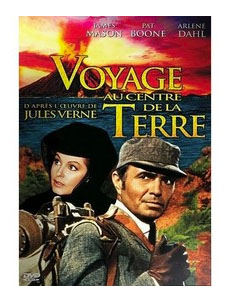
Journey to the Center of the Earth
Synopsis
Led by the eccentric Scottish geology professor Sir Oliver Lindenbrook, a courageous expedition party descends deep into the volcanic craters of Iceland following a cryptic medieval parchment clue. Accompanied by a skeptical student, a strong-voiced Icelander, a duck named Gertrude, and the grieving widow of a fellow scientist, the team embarks on a perilous subterranean descent. Far beneath the Earth's crust, they discover breathtaking prehistoric jungles, glowing subterranean oceans, and giant dinosaurs. They must battle natural hazards and treacherous rival explorers to find a way back to the surface.
The Making of the Film
Director Henry Levin helmed this grand 20th Century Fox adventure classic, adapting Jules Verne's beloved 1864 science fiction novel for a big-budget Hollywood studio scale. Producer Charles Brackett and writer Walter Reisch infused the classic literary adventure with witty comedic banter, musical numbers, and dazzling Technicolor spectacle. Filmmakers utilized massive sound stages in Hollywood, Carlsbad Caverns footage, and practical giant lizard special effects to construct the underground world. The project was built to be a timeless family adventure epic.
Critical Reception
Critics offered widespread critical acclaim upon its 1959 release, praising James Mason's charming lead performance, stunning Technicolor cinematography, and the thrilling sense of cinematic wonder. Reviewers commended the film's perfect balance of edge-of-your-seat subterranean peril, clever humor, and lavish set design. Some critics noted dated optical special effects by modern standards, yet universally lauded its timeless entertainment value. It emerged as a massive box office hit.
Audiences embraced the movie with immense enthusiasm, turning it into a holiday blockbuster and a beloved family classic across generations. Viewers were mesmerized by the glowing underground crystal caverns, prehistoric monsters, and the delightful musical interludes performed on the dulcimer. The witty chemistry among the expedition team kept adventure fans thoroughly entertained. Many praised it as the gold standard of Jules Verne adaptations.
The film achieved major recognition, earning multiple Academy Award nominations, including Best Art Direction, Best Sound, and Best Special Effects. James Mason's iconic performance earned enduring cinematic acclaim. The project successfully secured its legacy as an immortal classic of golden-age adventure cinema.
Behind-the-Scenes Stories
Director Henry Levin and producer Charles Brackett wanted to ensure the Verne adaptation felt both grand in scale and lighthearted in tone, incorporating Pat Boone's musical talents into the journey. They cast James Mason to bring gravitas and scholarly charm to the eccentric Scottish professor. The production team designed massive underground cavern sets featuring glowing crystal formations.
Shooting elaborate subterranean cavern sequences on Hollywood sound stages required complex lighting grids, miniature projection effects, and stunt coordination. Managing live animals—including a real duck named Gertrude and iguanas fitted with prosthetic fins to play giant prehistoric dimetrodon monsters—demanded immense patience from the crew. Maintaining a magical Technicolor palette required careful cinematography planning.
During the dramatic underground ocean storm sequences, James Mason and Pat Boone performed amidst splashing water tanks and rocking raft rigs, maintaining heroic expressions. Pat Boone famously performed his original romantic ballads on a handmade dulcimer during breaks, entertaining the cast. These practical efforts added charm to the adventure.
James Mason, Pat Boone, Arlene Dahl, and Thayer David led the iconic cast, supported by Peter Ronson and the duck Gertrude. The casting process gathered classic Hollywood stars. The resulting ensemble delivered delightful screen chemistry.
Themes Explored
The film explores scientific curiosity, the spirit of exploration, human perseverance against impossible odds, camaraderie, and prehistoric wonder. It examines how intellectual passion drives humanity to conquer the unknown. The narrative ultimately champions courage and discovery.
Ending Explained
The surviving expedition members are caught inside a violent volcanic eruption that propels their underground raft upward through a magma shaft, shooting them completely out of the crater of Stromboli volcano in Italy. They land safely on the Mediterranean island, battered, exhausted, but triumphant with living proof of their subterranean journey. Professor Lindenbrook achieves immortal scientific glory. The ending offers a classic, thrilling Hollywood resolution.
Meaning of the Title
The title "Journey to the Center of the Earth" directly describes the epic geographical quest undertaken by the explorers, echoing Jules Verne's famous original novel. It promises a grand, imaginative subterranean adventure. The classic title became an immortal hallmark of adventure cinema.
Original Soundtrack
Composed by Bernard Herrmann, the musical score is an absolute masterpiece featuring unconventional orchestration omitting traditional violins in favor of low-register brass, organs, and giant subterranean instruments like the serpent. The haunting, echoing melodies heighten the sense of vast underground isolation, delighting music lovers.
Latest News
- The film remains an immortal milestone in classic Hollywood adventure cinema, celebrated for its Technicolor wonder and Bernard Herrmann's unique score.
Similar Films
Fans of classic adventure epics will enjoy 20,000 Leagues Under the Sea (1954), Mysterious Island (1961), King Kong (1933), and Raiders of the Lost Ark (1981), all exploring wonder.