

 Français
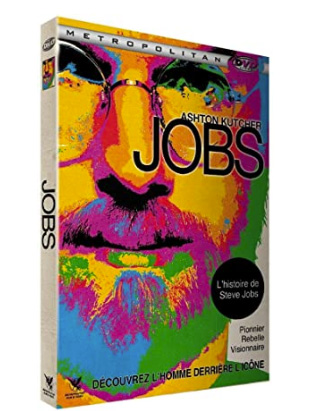
Jobs
Synopsis
The biographical drama chronicles the formative years of visionary entrepreneur Steve Jobs from his college drop-out days at Reed College in 1974 to the triumphant unveiling of the iPod in 2001. Alongside co-founder Steve Wozniak, Jobs builds Apple Computer out of a suburban garage into a revolutionary global technology empire driven by relentless perfectionism. Facing intense corporate boardrooms, personal struggles, and corporate betrayal, he experiences dramatic ousters and triumphant returns. His visionary leadership permanently transforms modern digital culture.
The Making of the Film
Director Joshua Michael Stern and screenwriter Matt Whiteley developed the biographical project shortly after Steve Jobs's passing in 2011, driven by immense public interest in his legacy. The inspiration stemmed from wanting to portray the complex, driven, and often abrasive personality of the tech pioneer. The production team aimed to capture key historical milestones in personal computing history. The script focused heavily on the founding years of Apple and Jobs's visionary perseverance.
Critical and Reception
Professional critics gave mixed-to-negative reviews, criticizing the superficial script, hagiographic tone, and Ashton Kutcher's uneven performance compared to the subject's complexity. Audiences provided a modest box-office return, finding it an interesting overview of Apple's early days. Reviewers noted that while Kutcher resembled Jobs physically, the narrative lacked deep psychological insight. The movie settled into a niche as a standard biographical drama.
Filming Anecdotes
Director Joshua Michael Stern drew inspiration from historical archives of early Silicon Valley technology culture and biographical accounts. Production faced unique logistical challenges recreating historical Apple garages and 1970s office spaces with authentic period electronics. During the pivotal garage startup scenes, Ashton Kutcher wore replica clothing to match historical photographs. The studio supported casting Kutcher to draw mainstream audience interest.
Themes Explored
The film explores entrepreneurial vision, technological innovation, perfectionism, corporate betrayal, and leadership. It examines how uncompromising creative drive can both build empires and alienate allies. Perseverance against corporate bureaucracy serves as a central motif. Additionally, computing history anchors the narrative.
Explanation of the Ending
The narrative concludes with Steve Jobs recording his iconic 'Think Different' voiceover narration, celebrating the crazy ones who change the world, as Apple experiences its triumphant resurgence with the launch of the iMac and iPod. Having reclaimed his company, Jobs stands as a vindicated titan of the technology industry. The final scenes show him looking toward the future of digital innovation. The resolution provides an inspiring, albeit conventional, biographical closure.
Meaning of the Title
The title refers directly to the surname of the iconic Apple co-founder Steve Jobs, serving as the central subject of the biographical film. It signifies innovation, technology, and corporate legacy. The name creates an instantly recognizable brand for a biopic. It captures the life and career of the entrepreneur.
There are no recent major developments or active news items regarding this film.