

 Français
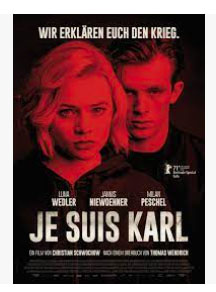
Je Suis Karl
Synopsis
Set in contemporary Berlin and Prague following a devastating terrorist bombing that claims the lives of her mother and brothers, a grieving young German woman named Maxi falls into deep despair and isolation. Seeking answers and justice, she is approached by a charismatic, smooth-talking young nationalist activist named Karl who leads a shadowy pan-European youth movement known as Rebirth. Drawn into Karl's alluring inner circle and manipulated by his nationalist ideology, Maxi travels across Europe to political rallies, slowly realizing she has been weaponized by extremist extremists. The German political drama film delivers chilling ideological tension and stark contemporary political dread.
The Making of the Film
Director Christian Schwochow developed the political drama film, working from a screenplay by Thomas Wendrich. The inspiration stemmed from examining the terrifying rise of modern European right-wing nationalism, radical youth movements, and the psychological vulnerability of grieving terrorism survivors. The production team invested heavily in authentic Berlin and Prague location shoots, political rally crowd coordination, and securing Luna Wedler and Jannis Niewöhner for the lead roles. The script was structured as a chilling political indoctrination thriller.
Critical Reception
Professional critics gave generally positive reviews, praising the film's chilling contemporary relevance, striking European cinematography, and powerhouse lead performances by Luna Wedler and Jannis Niewöhner. Reviewers noted that Schwochow successfully crafted a deeply unsettling, urgent examination of how charismatic extremism seduces vulnerable youth. Public reception was warmly enthusiastic across European film festivals and Netflix streaming platforms, turning it into a compelling political watch. The film earned appreciation for its thematic bravery.
Behind-the-Scenes Stories
Director Christian Schwochow drew visual inspiration from contemporary political news archives, European protest photography, and psychological thriller cinema. Production took place on location across historic government squares, protest marches, and modern apartments in Berlin and Prague, capturing authentic political demonstration atmospheres. During the filming of intense ideological manipulation and radicalization sequences, Luna Wedler and Jannis Niewöhner maintained gripping dramatic intensity. The production worked with political consultants.
Themes Explored
The themes explored include European right-wing nationalism, radical youth indoctrination, terrorism grief recovery, political manipulation, and extremism resistance.
Ending Explained Ending Explained The tense political climax sees Maxi waking up from the extremist spell, publicly exposing Karl's movement and choosing personal redemption over radical hatred.
Meaning of the TitleMeaning of the Title The original title Je suis Karl refers ironically to the charismatic nationalist leader whose manipulative movement seduces vulnerable followers.
Similar Films The Wave, Cabaret, Nocturama