

 Français
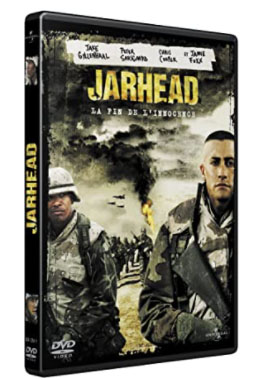
Jarhead
Synopsis
This gripping, unorthodox war drama masterpiece directed by Sam Mendes follows Anthony Swofford, a young, disaffected American recruit who enlists in the United States Marine Corps in the late 1980s and trains hard to become a sniper. Deployed to the scorching deserts of the Middle East during Operation Desert Shield and Operation Desert Storm, Swofford and his scout-sniper platoon endure relentless psychological torment, extreme boredom, suffocating heat, and existential dread while waiting months in the sand for a ground war that never seems to arrive. Adapted from Swofford's best-selling memoir, it is a brilliant, anti-glorification psychological examination of modern military life.
The Making of the Film
The project originated from Universal Pictures and director Sam Mendes' desire to adapt Anthony Swofford's acclaimed 2003 memoir 'Jarhead' into a feature film that subverted traditional heroic war movie tropes by focusing instead on the psychological absurdity, boredom, and psychological unraveling of peacetime soldiers in the desert. Mendes sought to craft a visually striking, atmospheric war film exploring brotherhood, testosterone, and media saturation without depicting actual combat carnage. Inspiration was drawn from classic Vietnam war satires, Gulf War media coverage, and memoir literature. The creative team aimed to produce a bold masterpiece.
Critical Reception
Critics offered generally favorable reviews, praising Sam Mendes's stylish visionary direction, Roger Deakins's stunning desert cinematography, and Jake Gyllenhaal's powerhouse lead performance. Reviewers noted that Mendes successfully created a unique war movie that captured the surreal psychological waiting game of soldiers trained to kill who never actually fired their rifles. Gyllenhaal's intense portrayal of Swofford received universal applause for anchoring the film's biting satirical tone. While some audiences expected traditional explosive battle action, critics celebrated its intellectual bravery.
Audience reception was moderately positive among cinephiles and military veterans who praised its authentic depiction of boot camp brutality and desert boredom, though box office returns were solid rather than blockbuster. Viewers on public platforms praised the iconic burning oil fields, intense hazing rituals, and Jake Gyllenhaal's breakdown scene. Fans of Sam Mendes celebrated his stylistic range following 'American Beauty'. Word-of-mouth sustained strong home entertainment popularity.
Awards season brought recognition from various critics' associations, honoring Roger Deakins's staggering cinematography and Jake Gyllenhaal's acting achievement. Critics praised the film for redefining the modern war genre through psychological realism. These accolades cemented its status as a premier masterpiece of contemporary war cinema.
Behind-the-Scenes Stories
The director drew visual inspiration from classic Vietnam War films like 'Full Metal Jacket', Gulf War television news broadcasts, and desert landscape photography to establish a surreal, scorching aesthetic. Every tent camp, burning oil well horizon, and dusty firing range was constructed to reflect the oppressive isolation of the Persian Gulf theater. The production team collaborated with military technical advisors to ensure that Marine Corps training rituals and sniper terminology looked completely authentic. These artistic choices created a visceral world.
Production presented intense logistical and technical hurdles, requiring Jake Gyllenhaal and the supporting cast to undergo rigorous military boot camp training in California under real Marine instructors before shooting. Filming in the scorching deserts of California and Mexico exposed the crew to extreme heat and blinding sandstorms. Furthermore, maintaining strict psychological intensity during heavy dramatic sequences demanded obsessive focus from Sam Mendes.
During the filming of the explosive midnight oil-field shower celebration sequences, the cast executed their chaotic, delirious military bonding with total fearless commitment. To maintain authentic tension, Mendes utilized long, sweeping camera tracking shots that captured the vast emptiness of the desert. The crew utilized harsh yellow and orange desert lighting. This rigorous dedication resulted in immortal cinematic moments.
Casting was anchored by securing rising star Jake Gyllenhaal, whose intense physical transformation and emotional volatility drove the entire psychological narrative. Supporting roles featured Jamie Foxx as the hardened Staff Sergeant Sykes, Peter Sarsgaard as Swofford's spotter Troy, and Chris Cooper. This star-studded casting strategy was the absolute secret to the film's success.
Themes Explored
The narrative deeply explores themes of the psychological absurdity of war, masculine bravado, and the crushing boredom of military deployment. It examines brotherhood, institutional conditioning, and the psychological scars left by military service even without direct combat. Additionally, it highlights media saturation, disillusionment, and coping with trauma through dark humor. Ultimately, the film reflects on youth, purpose, and the ghosts of the desert.
Ending Explained
Swofford returns home from the Gulf War to a ticker-tape parade in America, struggling to readjust to civilian life and realizing that despite never firing a shot in combat, the desert experience has permanently altered his psyche and worldview. In the poignant final voiceover, Swofford reflects that every marine carries his own oil fire burning inside him wherever he goes. The sobering resolution underscores the lingering internal war faced by peacetime soldiers.
Meaning of the Title
The title directly references the derogatory slang term ("Jarhead") used to describe United States Marines due to their high-and-tight military haircuts.
Similar Films
Films sharing similar psychological war drama, military satire, and post-deployment themes include Full Metal Jacket (1987), Three Kings (1999), and The Hurt Locker (2008).