

 Français
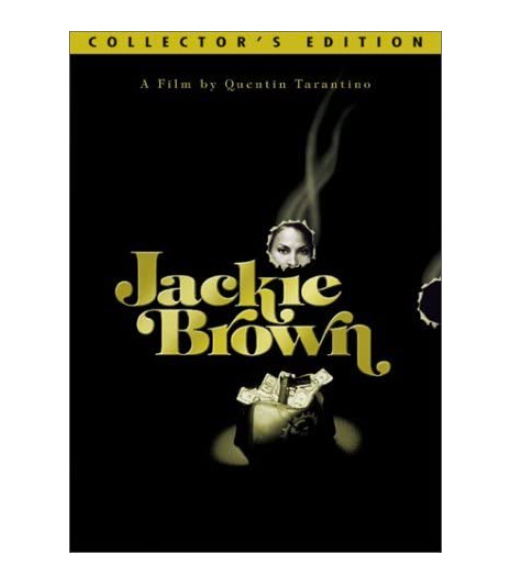
Jackie Brown
Synopsis
Jackie Brown is a flight attendant who supplements her modest income by smuggling money for a dangerous arms dealer named Ordell Robbie. When federal agents arrest her, she faces a difficult choice between cooperating with the authorities and remaining loyal to a criminal who could easily kill her. With the help of bail bondsman Max Cherry, Jackie devises a complicated plan to escape both sides and secure a better future. As the different characters attempt to manipulate one another, trust becomes the most valuable and dangerous currency in the story.
The Making of the Film
Jackie Brown was written and directed by Quentin Tarantino and is based on the novel Rum Punch by Elmore Leonard. Tarantino admired Leonard's dialogue, complex characters and ability to create suspense through apparently ordinary conversations. He adapted the novel while retaining its central criminal scheme but changing the protagonist's name and background. The director wanted to make a film that paid tribute to the crime cinema of the 1970s, particularly the blaxploitation tradition. Pam Grier, a major figure in that genre, was cast in the title role, giving the film a strong connection to its cinematic inspirations. Robert Forster was selected to play Max Cherry, whose quiet sensitivity contrasts with the more aggressive characters surrounding him. The production also brought together Samuel L. Jackson, Robert De Niro and Bridget Fonda. Unlike the fast-paced structure of some of Tarantino's earlier films, this adaptation takes its time and allows relationships to develop through dialogue. The result is a character-driven crime film that combines humour, tension and affection for an earlier era of American cinema.
Critical Reception
Professional critical response: Jackie Brown received broadly positive reviews, with many critics praising its mature storytelling and strong performances. Pam Grier was particularly celebrated for bringing intelligence, dignity and emotional depth to the title character. Robert Forster also received considerable praise for his understated portrayal of Max Cherry. Some viewers expected a more explosive film following Pulp Fiction, but critics often admired its patient rhythm and carefully observed relationships. Its adaptation of Elmore Leonard's novel was recognised as one of Tarantino's most controlled and character-focused works.
Audience reception: The film performed respectably at the box office and developed a loyal following. Some audiences initially found its slower pace surprising compared with Tarantino's previous work. Over time, many viewers came to appreciate its humour, memorable dialogue and unusually warm emotional core. Its central relationship between Jackie and Max is often considered one of the director's most understated romantic stories. The film also helped introduce a new generation of viewers to Pam Grier's earlier work.
Awards and recognition: Jackie Brown received an Academy Award nomination for Best Supporting Actor for Robert Forster. The film also received nominations and recognition from several critics' organisations and professional associations. Pam Grier was honoured for her performance by a number of film critics and award groups. Although it did not receive the same number of major awards as some of Tarantino's other films, its acting achievements were widely acknowledged. Its reputation has continued to grow among critics and cinephiles.
Behind-the-Scenes Stories
Director's inspirations: Quentin Tarantino drew heavily on the blaxploitation films of the 1970s, particularly those featuring Pam Grier. By casting her as Jackie Brown, he paid tribute to an important period in American genre cinema while giving the actress a complex contemporary role. He also admired Elmore Leonard's ability to create tension through dialogue and character interaction. The film's relaxed rhythm reflects a deliberate decision to prioritise atmosphere and relationships over constant action.
Production challenges: Adapting Rum Punch required Tarantino to preserve the novel's intricate criminal plan while making changes that gave the film its own identity. The multiple perspectives and overlapping schemes demanded careful attention to narrative clarity. The actors also had to deliver long dialogue sequences while maintaining natural rhythms and subtle character differences. Recreating the atmosphere of late-1990s Los Angeles while evoking 1970s crime cinema required careful choices in music, costumes and locations.
A memorable scene: The final exchange at the shopping centre is built around the characters' competing plans and their belief that they can outsmart one another. Its tension comes less from physical action than from the audience's growing understanding of the deception taking place. The sequence also highlights Jackie's ability to remain composed while the people around her become increasingly unpredictable. Its careful editing and shifting perspectives make it one of the film's defining moments.
Originally considered casting: Pam Grier was central to Tarantino's vision for the film because of her importance in 1970s blaxploitation cinema. Robert Forster was cast after Tarantino recognised the qualities required for Max Cherry, a character whose quiet presence is essential to the story. Samuel L. Jackson brought a forceful and unpredictable energy to Ordell Robbie. Robert De Niro and Bridget Fonda completed an ensemble whose contrasting performances give the criminal world much of its humour and tension.
Themes Explored
Jackie Brown explores ageing, independence, trust and the struggle to escape a life shaped by limited opportunities. Jackie is not a conventional action heroine but an intelligent woman who understands the weaknesses and ambitions of the people around her. The film also examines the difference between appearance and reality, particularly within a criminal world where everyone hides their intentions. Its nostalgic references to 1970s cinema connect the characters' personal histories with a broader cultural memory. The relationship between Jackie and Max introduces themes of loneliness, affection and the possibility of starting again later in life. Ultimately, the story celebrates resourcefulness and self-determination without pretending that freedom comes without sacrifice.
Explaining the Ending
Jackie succeeds in carrying out her plan and escapes with the money while allowing the authorities to believe that the operation has been resolved. Her strategy depends on understanding the greed, impatience and mistrust of the people around her. Ordell is eliminated, while the other participants are left dealing with the consequences of their own decisions. Max understands that Jackie has chosen independence rather than a shared future with him. Their farewell is affectionate but painful, because both recognise the possibility of a different life that will never fully materialise. Jackie leaves with the opportunity to begin again, while Max remains in the world he knows. The ending is deliberately restrained and avoids a triumphant celebration of criminal success. It focuses instead on the emotional cost of freedom and the difficulty of leaving behind people who have become important.
The Meaning of the Title
The title Jackie Brown gives the film the identity of its central character rather than presenting it as a conventional crime story. It places Jackie at the centre of the narrative and emphasises her personal journey through a world dominated by men, money and manipulation. The name also recalls Pam Grier's importance in 1970s blaxploitation cinema, making the title a tribute to the actress and the genre. It signals that the real subject of the film is not simply the robbery, but the woman who finds a way to control her own destiny.
The soundtrack is an important tribute to 1970s blaxploitation and soul cinema. It features music associated with artists such as Bobby Womack and The Delfonics, helping establish the film's nostalgic atmosphere. Across the story, the songs express the characters' emotions and connect the narrative to an earlier period of American popular culture. The music is not merely background decoration; it forms part of the film's identity and its homage to Pam Grier's cinematic past.
Similar films include Foxy Brown, directed by Jack Hill, which also stars Pam Grier; Coffy, another influential blaxploitation film featuring Grier; Out of Sight, directed by Steven Soderbergh and based on an Elmore Leonard novel; and Pulp Fiction, directed by Quentin Tarantino, which shares its fragmented storytelling and distinctive criminal characters.