

 Français
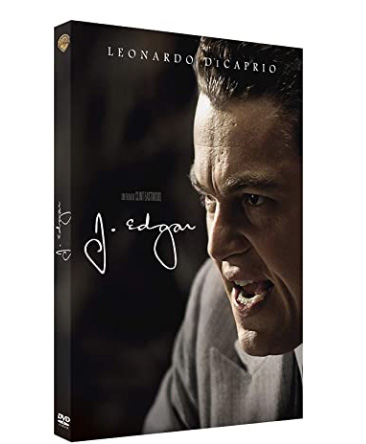
J. Edgar
Synopsis
The film chronicles the complex, controversial public and private life of J. Edgar Hoover, who served as the powerful and feared director of the FBI for nearly fifty years. Spanning several decades from the Palmer Raids through the birth of modern forensic criminology to his final years, the narrative explores his relentless war against gangsters, subversives, and political enemies. Behind closed doors, Hoover maintains a deeply secretive personal life alongside his devoted companion and associate Clyde Tolson. The story reflects on how absolute power, paranoia, and legacy shaped the destiny of America's top lawman.
The Making of the Film
Directed and produced by Clint Eastwood from an original screenplay by Academy Award-winner Dustin Lance Black, the project was conceived as an intimate psychological portrait of one of the most powerful and secretive figures in American history. Eastwood was drawn to exploring the profound loneliness and moral contradictions of a man who spent his life policing others while hiding his own identity. The filmmakers aimed to balance historical milestone events with a tender, tragic domestic relationship. The production utilized advanced aging makeup to track Hoover's life across multiple decades.
Critical Reception
Professional critics gave the film mixed reviews, praising Leonardo DiCaprio's towering, transformative lead performance and the atmospheric historical recreation. Reviewers noted that while the non-linear narrative structure occasionally felt heavy-handed and uneven, DiCaprio's commitment and Eastwood's classical direction provided compelling drama. Some critics felt the script relied too heavily on speculative biographical interpretations, but commended its acting performances.
Public reception was modest among mature audiences who appreciated the historical deep-dive into mid-century American politics and law enforcement. Moviegoers praised DiCaprio's masterclass in character acting and Armie Hammer's strong supporting work as Clyde Tolson. It found a steady audience on home video and streaming.
The film earned recognition during awards season, receiving nominations from the Screen Actors Guild for Leonardo DiCaprio's powerhouse portrayal. These accolades highlighted its status as a notable biographical drama.
Anecdotes_du_tournage
Director Clint Eastwood drew inspiration from historical FBI archives, political biographies, and classical Hollywood biographical dramas.
Production faced massive daily hurdles applying complex, multi-hour prosthetic aging makeup to Leonardo DiCaprio and Armie Hammer to cover decades of character growth.
During the filming of the intense emotional confrontation scenes, Leonardo DiCaprio captured Hoover's distinctive vocal cadences and physical posture with astonishing precision.
The casting process quickly secured Leonardo DiCaprio to anchor the demanding lead role, bringing immediate gravitas to the historical project.
Core Themes Explored
The film explores absolute power, political paranoia, secret identity, legacy, institutional control, and lifelong devotion.
Themes Explored
FBI history, political power, secret relationships, paranoia, legacy, and biographical drama.
The conclusion depicts Hoover's quiet, lonely death in his home, followed immediately by Clyde Tolson rushing in to gather personal items and effectively dismantling Hoover's lifelong secret archive. It leaves a haunting reflection on the ephemeral nature of earthly power and the tragic burden of living a hidden life.
The title directly uses the iconic name and initial of John Edgar Hoover, symbolizing the towering, institutional brand he built around himself.
The film features a subtle, melancholic musical score composed by director Clint Eastwood himself, utilizing delicate piano notes to evoke isolation and historical gravity.
Lincoln, The Aviator, Frost/Nixon, Spotlight