

 Français
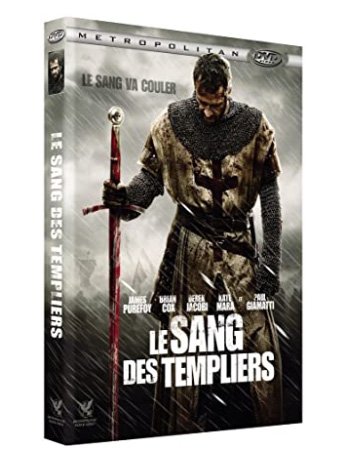
Ironclad
Synopsis
Set in England in 1215 following the signing of the Magna Carta, a tyrannical King John breaks his oath and raises a ruthless mercenary army of foreign Danes to march across the country and recapture the crown by brute force. A small, fiercely loyal band of Knights Templar and rebel barons barricades themselves inside the strategic fortress of Rochester Castle to mount a desperate last stand against the king's massive siege engines. Led by a battle-hardened Templar knight tormented by his past, the defenders hold the castle walls through bloody assaults, starvation, and fiery bombardment. Their heroic siege defense becomes a legendary chapter in English history.
The Making of the Film
Director Jonathan English co-wrote and directed the gritty historical action-adventure film, drawing inspiration from medieval chronicles of the 1215 siege of Rochester Castle. The inspiration stemmed from wanting to portray the brutal, unglamorous reality of medieval warfare with authentic armor, hand-to-hand combat, and siege weaponry. The production team aimed to construct a stark, muddy, R-rated historical epic shot on location in Wales. The script focused heavily on tactical castle defense and knightly honor.
Critical and Reception
Professional critics gave mixed reviews, praising the film's brutal action choreography, gritty atmosphere, and strong ensemble cast (including James Purefoy, Brian Cox, and Paul Giamatti), while noting formulaic plot pacing and excessive violence. Audiences responded warmly to the hard-hitting medieval action, resulting in a solid international VOD and theatrical release. Reviewers noted that the film offered an unvarnished, bloody take on English history. The movie secured a solid reputation among fans of historical action cinema.
Filming Anecdotes
Director Jonathan English drew inspiration from classic medieval epics, historical siege accounts, and gritty combat traditions. Production faced extreme physical challenges shooting on location across muddy, freezing Welsh landscapes and custom-built castle sets. During the brutal sword-fight and siege engine sequences, stunt coordinators executed realistic medieval combat choreography. The studio supported keeping the film's gritty R-rating intact.
Themes Explored
The film explores medieval chivalry, tyranny versus freedom, castle siege warfare, loyalty, and redemption. It examines how a small group of warriors holds a fortress against overwhelming odds. The Magna Carta serves as the political catalyst for the rebellion. Additionally, medieval English history provides a grim backdrop.
Explanation of the Ending
The narrative concludes with the castle walls finally collapsing under devastating mining explosions, leading to a desperate final melee where the surviving Templar knight sacrifices himself to kill the mercenary leader before royal reinforcements arrive to force King John into retreat. Freedom is preserved, and the Magna Carta endures as a symbol of justice. The final text cards detail the historical legacy of the siege. The resolution provides a bloody, triumphant closure to the medieval epic.
Meaning of the Title
The title refers directly to armor and armor-clad knights, symbolizing military protection, steel, and unyielding defense during the medieval siege. It signifies medieval warfare, chivalry, and resilience. The name creates a punchy, atmospheric hook for a historical action film. It captures the core combat aesthetic of the narrative.
There are no recent major developments or active news items regarding this film.