

 Français
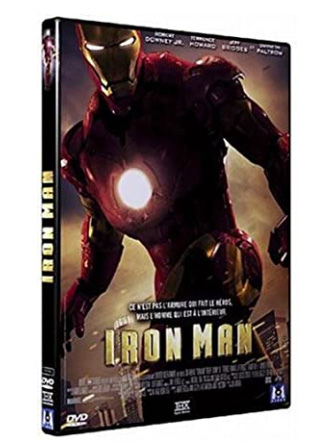
Iron Man
Synopsis
Tony Stark, a billionaire industrialist and genius weapons inventor, is captured in Afghanistan by a terrorist group known as the Ten Rings. Forced to build a devastating missile for his captors, Stark secretly constructs a heavily armored suit powered by a miniature arc reactor instead and escapes. Upon returning home, he resolves to redirect his company toward protecting the world rather than manufacturing weapons, developing an advanced high-tech suit of armor. As he embraces his new identity as Iron Man, he must uncover a treacherous conspiracy within his own corporation.
The Making of the Film
- Development for an Iron Man film adaptation languished in Hollywood development hell for decades across multiple studios before Marvel Studios secured the rights in 2005. Deciding to launch their own independent cinematic universe, Marvel took a massive financial gamble by choosing Iron Man as their inaugural flagship character. Director Jon Favreau was hired because of his vision to ground the superhero story in gritty, realistic geopolitical settings rather than pure fantasy. Robert Downey Jr. was personally championed by Favreau and producer Kevin Feige, who believed his personal life experiences uniquely mirrored Tony Stark's journey of redemption.
Critical Reception
Professional critics showered the film with widespread acclaim, praising its sharp wit, thrilling action sequences, and Robert Downey Jr.'s career-defining charismatic performance. Many reviews highlighted how Jon Favreau successfully blended high-tech sci-fi spectacle with grounded corporate drama and smart humor. Reviewers noted that the movie avoided standard comic book clichés, establishing an energetic and fresh tone for the superhero genre. Overall, it was hailed as a brilliant cinematic triumph that exceeded all expectations.
Public reception was overwhelmingly ecstatic, turning the film into a massive global box office smash and launching the unprecedented Marvel Cinematic Universe. Audiences fell in love with Tony Stark's snarky personality, state-of-the-art armor designs, and the thrilling post-credits teaser introducing Nick Fury. Word of mouth propelled the movie to legendary status among pop culture fans worldwide. Spectators frequently quoted the film's iconic lines and celebrated its triumphant opening weekend.
The film earned two Academy Award nominations for Best Sound Editing and Best Visual Effects, recognizing its technical craftsmanship and innovative CGI suit creation. It swept multiple Saturn Awards, including Best Science Fiction Film and Best Actor for Robert Downey Jr. The American Film Institute also named it one of the top ten films of the year, cementing its historic legacy in cinema.
Filming Anecdotes
- The director drew heavy visual and cinematic inspiration from classic military tech thrillers, James Bond films, and real-world aerospace engineering. He wanted the armor evolution to look tactile and realistic, starting from a bulky, heavy scrap metal prototype to sleek titanium alloys. Cinematic influences ranged from classic action blockbusters to gritty pulp comics written by creators like Warren Ellis. These artistic choices helped establish a believable technological foundation for the superhero universe.
Production was characterized by an unusually flexible script process, where much of the dialogue was improvised on set by Robert Downey Jr. and the supporting cast. Marvel Studios trusted the creative team to find organic comedic moments and emotional depth while shooting key dramatic sequences. Practical physical suits built by Stan Winston Studio were utilized alongside digital effects to give the actors a genuine sense of weight and presence. Crew members often recalled this collaborative, fast-paced environment as an exhilarating creative laboratory.
One particularly memorable sequence involved Tony Stark testing the Mark II flight suit inside his luxury Malibu workshop, resulting in a chaotic crash landing. This sequence required a seamless blend of practical stunt rigs, physical prop adjustments, and complex digital compositing to look believable. Robert Downey Jr. had to endure awkward harness setups while delivering deadpan comedic lines to convey the messy trial-and-error process. Crew members frequently noted that this specific scene perfectly captured the playful, humanizing tone of the entire production.
The initial casting process sought versatile actors who could bring incredible dramatic weight and improvisational comedic timing to the complex characters. Robert Downey Jr. was a controversial choice for studio executives due to his past legal troubles, but Jon Favreau fought tirelessly to secure him. Gwyneth Paltrow and Jeff Bridges were cast to anchor the corporate drama and provide formidable emotional contrast to Stark's eccentric personality. This inspired ensemble created an undeniable chemistry that fueled the film's success.
Themes Explored
- Personal redemption, accountability, and the transition from corporate profiteer to selfless protector.
- The dual-edged sword of technological advancement and military-industrial power.
- Identity, legacy, and discovering purpose after facing near-death trauma.
- Responsibility and the moral obligation of wielding ultimate power.
Ending Explained
The final confrontation takes place at Stark Industries headquarters, where Tony battles his treacherous business partner Obadiah Stane, who wears a massive rival Iron Monger suit. During the intense battle, Pepper Potts overloads the large arc reactor powering the facility, sending a massive electrical surge that incapacitates Stane and causes him to fall into the explosion. In the subsequent press conference, Tony attempts to read a scripted alibi provided by his security team but famously goes off-script and publicly confesses to the world, "I am Iron Man." This bold declaration shatters traditional secret-identity tropes and sets the stage for the wider cinematic universe.
Title Significance
The title directly references the iconic superhero moniker from Marvel Comics, representing both the literal high-tech titanium armor and the unbreakable steel-willed transformation of the protagonist. It established an instantly recognizable brand that launched a multi-billion-dollar cinematic empire.
Original Soundtrack
- The soundtrack features a driving, heavy-metal rock score composed by Ramin Djawadi, alongside classic rock anthems by AC/DC that defined Tony Stark's rebellious persona. The heavy guitar riffs and orchestral arrangements perfectly matched the high-octane action and technological genius of the protagonist. The iconic opening chords of AC/DC's music became instantly synonymous with the character's cinematic identity.
Similar Films
- Iron Man 2 (2010)
- Batman Begins (2005)
- Spider-Man: Homecoming (2017)
- Captain America: The First Avenger (2011)
- Doctor Strange (2016)