

 Français
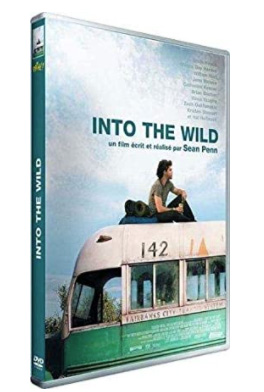
Into the Wild
Synopsis
Following his graduation from Emory University, a brilliant young student named Christopher McCandless rejects modern materialistic society, his privileged upbringing, and his dysfunctional family background. Donating his savings to charity, he abandons his car and burns his cash, embarking on a solitary cross-country hitchhiking journey under the pseudonym Alexander Supertramp. Traveling across the American West, he encounters compassionate drifters, kind souls, and majestic wilderness landscapes before finally hitchhiking into the frozen Alaskan wilderness to live off the land. The biographical adventure drama captures transcendent freedom and tragic isolation.
The Making of the Film
Director Sean Penn spent nearly a decade trying to secure the film rights to Jon Krakauer's best-selling 1996 non-fiction book Into the Wild, having been deeply moved by Christopher McCandless's tragic Alaskan journey. The inspiration stemmed from exploring the powerful human yearning for absolute freedom, spiritual awakening, and the psychological rejection of modern consumerism. The production team secured rare permission from the McCandless family to film on location across the actual geographic routes Christopher traveled. The script was structured as a poetic, non-linear odyssey.
Critical Reception and Reviews
Professional critics widely acclaimed the film for its breathtaking cinematography, poetic direction by Sean Penn, Emile Hirsch's powerhouse lead performance, and profound emotional depth. Reviewers lauded Hirsch for capturing McCandless's fierce idealism, intellectual curiosity, and vulnerability. Critics also highlighted Hal Holbrook's heartbreaking supporting performance, which earned him an Academy Award nomination. Public reception was warmly enthusiastic worldwide, turning it into a beloved modern arthouse classic. The film won Golden Globe recognition for its breathtaking original song "Guaranteed."
Filming Anecdotes
Director Sean Penn drew visual inspiration from American transcendentalist literature, nature documentary photography, and vast wilderness landscapes. Production took place on location across authentic sites in Arizona, South Dakota, California, and Alaska, including the actual bus site where McCandless lived. During the filming of grueling wilderness scenes, Emile Hirsch underwent dramatic weight loss and physical hardship to mirror McCandless's physical decline. Penn worked closely with Krakauer to ensure absolute biographical respect.
Themes Explored
The film explores transcendentalism, familial alienation, the search for meaning, nature versus civilization, and the necessity of shared human love.
The tragic climax shows McCandless realizing that "happiness is only real when shared" just before passing away inside the abandoned Alaskan bus from accidental toxic plant ingestion.
Meaning of the Title
The title refers directly to McCandless's radical journey stepping away from civilization and heading deep into the untamed wilderness.
Original Soundtrack
Eddie Vedder composed an extraordinary, Grammy-winning acoustic soundtrack featuring poignant folk-rock songs that captured the soulful wandering spirit of the film.
The film remains celebrated as a modern cinematic masterpiece of independent adventure drama, inspiring wanderers worldwide.
The Revenant, Captain Fantastic, The Motorcycle Diaries