

 Français
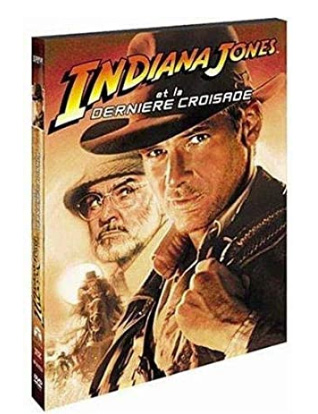
Indiana Jones and the Last Crusade
Synopsis
In 1938, legendary archaeologist Indiana Jones embarks on a globe-trotting quest to find his estranged father, Professor Henry Jones Sr., who has gone missing while searching for the Holy Grail. Teaming up with Marcus Brody and Sallah, Indy discovers that Nazi forces led by fanatic Walter Donovan are also hunting for the Grail to achieve immortality. Armed with his father's detailed diary, Indy travels from Venice to Berlin and the canyons of Hatay in a desperate race against time. Along the way, father and son must mend their fractured relationship while dodging Nazi bullets and solving deadly ancient trials.
The Making of the Film
Following the darker, polarizing tone of the second film, director Steven Spielberg and producer George Lucas wanted to inject warmth, humor, and heart into the third installment. Lucas suggested incorporating the Holy Grail mythology, while Spielberg proposed a father-son dynamic to deepen Indiana Jones's character background. Screenwriter Jeffrey Boam crafted witty banter and emotional stakes between Indy and his father. Casting Sean Connery as Henry Jones Sr. was a masterstroke that elevated the production.
Critical Reception
Critical reception for the film was universal critical acclaim, with reviewers praising its thrilling action set pieces, witty humor, and brilliant chemistry between Harrison Ford and Sean Connery. Critics lauded Spielberg for returning the franchise to the joyous, swashbuckling tone of the original film while adding genuine emotional depth. Audiences turned it into a massive global box office smash, making it one of the most beloved blockbusters of the 1980s. It won an Academy Award for Best Sound Effects Editing and remains a gold standard in adventure cinema.
Behind-the-Scenes Stories
Harrison Ford and Sean Connery filmed their iconic motorcycle and zeppelin dialogue scenes wearing minimal clothing due to extreme set heat, leading Connery to jokingly film without pants entirely. River Phoenix portrayed young Indy in the memorable opening train sequence, handpicked by Ford himself. The library fire and rat swarm scenes utilized thousands of real trained animals on meticulously crafted soundstages. Spielberg later stated that this film was his favorite in the original trilogy due to the father-son bond.
Themes Explored
The film explores father-son relationships, reconciliation, generational legacy, and letting go of obsessive pursuits. It highlights faith, greed, and the pursuit of sacred immortality versus moral integrity. Nazi fanaticism and archaeological preservation drive the conflict. It also touches upon trust and destiny.
Ending Explained
Walter Donovan drinks from a false golden grail chosen out of greed and rapidly ages into dust, while Indy chooses the humble wooden cup of a carpenter, proving his wisdom and humility. Henry Sr. uses the healing waters of the Grail to save wounded Indy's life, and father and son escape the collapsing temple as the artifact is lost forever. Riding off together into the sunset with Sallah and Marcus, Indy finally earns his father's mutual respect and affection. The conclusion delivers a heartwarming and triumphant finale.
Meaning of the Title
The title refers to the sacred religious artifact sought in the film—the Holy Grail—and the historical crusade of knights and seekers trying to find it. It symbolizes an epic spiritual and physical quest. The phrase sets a legendary adventure tone.
John Williams composed an iconic, soaring orchestral score introducing the magnificent Grail theme alongside classic adventure motifs.
Indiana Jones and the Raiders of the Lost Ark, Indiana Jones and the Temple of Doom, Romancing the Stone, The Mummy