

 Français
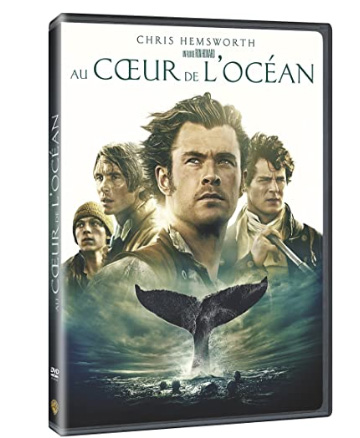
In the Heart of the Sea
Synopsis
In the winter of 1820, the New England whaling ship Essex was attacked by something no one could believe: a mammoth sperm whale with an insatiable sense of vengeance. Surviving the catastrophic disaster, the ship's starving and traumatized crew were forced to ride small whaleboats for months across the unforgiving Pacific Ocean. Battling ferocious storms, starvation, panic, and despair, the men were pushed to unimaginable moral extremes to stay alive. Decades later, a young Herman Melville interviews the last surviving crew member to uncover the true story that inspired Moby-Dick.
The Making of the Film
Based on Nathaniel Philbrick's National Book Award-winning non-fiction historical account, the film adaptation was spearheaded by director Ron Howard to bring the harrowing true story behind Moby-Dick to life. Howard was fascinated by the psychological toll of survival and humanity's brutal historical relationship with nature. The screenplay was meticulously crafted to blend grand maritime action with a chilling psychological survival drama. The production utilized advanced visual effects and physical water tanks to recreate epic ocean voyages.
Critical Reception
Professional critics gave the film mixed-to-positive reviews, praising its stunning visual effects, breathtaking maritime action sequences, and the physical commitment of the cast. Reviewers noted that while the framing device involving Herman Melville felt somewhat conventional, the visceral depiction of the whale attack and ocean survival was gripping. Some critics felt the character development took a backseat to spectacle, but commended its thrilling craftsmanship.
Public reception was generally favorable among fans of historical adventure and survival epics who appreciated the high production values and harrowing storytelling. Moviegoers enjoyed the intense action set-pieces and the stark depiction of maritime hardship. It performed steadily at the box office.
The film earned recognition in various technical award categories, receiving nominations for its spectacular visual effects and sound design. These accolades highlighted its success as a grand, immersive historical adventure.
Behind-the-Scenes Stories
Director Ron Howard drew inspiration from classic maritime survival epics and historical whaling accounts of the 19th century.
Production faced extreme physical hurdles, requiring the lead actors including Chris Hemsworth and Cillian Murphy to undergo dramatic weight loss diets to authentically portray starving shipwreck survivors.
During the filming of the whale attack sequences, the cast worked inside massive water tanks with complex wave machines that simulated violent ocean storms.
The casting process brought together a dedicated ensemble who bonded closely during rigorous nautical boot camps prior to principal photography.
Core Themes Explored
The film explores humanity versus nature, survival against impossible odds, maritime obsession, guilt, and the true stories behind literary legends.
Themes Explored
Maritime disaster, man versus nature, survival, whaling history, psychological trauma, and literary legacy.
The conclusion shows the exhausted survivors finally rescued and returning home, with the first mate choosing to keep the horrifying truth secret to protect the whaling industry. Decades later, the aging survivor confides in Herman Melville, allowing the true epic tragedy to finally be immortalized in literature.
The title refers to the geographical location of the disaster in the middle of the vast Pacific Ocean and the emotional core of survival.
The film features a magnificent, thunderous orchestral musical score composed by Roque Baños, blending sweeping maritime themes with eerie, suspenseful oceanic sounds.
Master and Commander, The Perfect Storm, In the Heart of the Sea, All Is Lost