

 Français
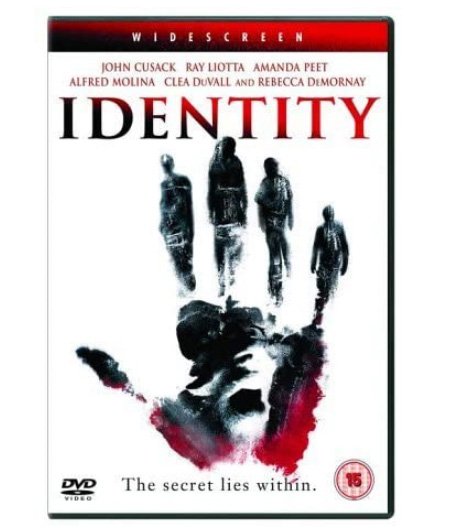
Identity
Synopsis
During a fierce and torrential rainstorm in Nevada, ten strangers with seemingly nothing in common find themselves stranded at a remote desert motel. One by one, the guests are brutally murdered by an unknown killer, and they realize a terrifying pattern connects their lives. Simultaneously, miles away, a judge and defense attorney rush to present new evidence to save a deranged convict from execution. As the two seemingly unrelated storylines collide, a shocking psychological truth is revealed.
The Making of the Film
Screenwriter Michael Cooney was inspired by Agatha Christies classic mystery novel And Then There Were None while crafting a high-concept psychological thriller. Director James Mangold wanted to subvert standard slasher tropes by introducing a complex psychological framing device. Columbia Pictures financed the project, aiming to deliver a smart, twisting mystery that would keep audiences guessing until the final frame.
Critical Reception
Critics praised the film for its taut direction, atmospheric tension, and clever structural twists. Reviewers highlighted the strong ensemble cast, particularly John Cusack and Ray Liotta, for anchoring the high-concept premise with grounded performances. Some critics felt the final twist stretched plausibility, but most lauded its entertainment value.
Public reception was very positive, making the thriller a modest box-office success and a favorite among mystery enthusiasts. Audiences enjoyed trying to piece together the clues before the big cinematic reveal. It has since gained a strong cult following for its inventive storytelling.
While the film did not capture major mainstream cinematic awards, it earned recognition within horror and thriller film festivals for its clever screenplay. The editing and pacing were particularly praised by industry peers for maintaining relentless suspense. It remains a benchmark for early 2000s twist thrillers.
Filming Anecdotes
Director James Mangold drew inspiration from classic film noir and classic whodunit mystery structures to create an oppressive, claustrophobic atmosphere. He chose to shoot on a constructed set designed to mimic a rainy Nevada motel, ensuring complete control over lighting and weather effects. His focus was on building psychological dread rather than cheap jump scares.
Production faced unique physical challenges as the cast and crew worked under artificial rain machines for almost the entire shoot. Actors had to remain soaking wet for hours at a time, requiring immense physical endurance and patience. John Cusack and Ray Liotta brought intense commitment to their physically demanding confrontation scenes.
A memorable sequence involves the characters discovering a gruesome pattern among the motels room keys as the body count steadily rises. The editing builds palpable panic as the survivors realize they are trapped in a deadly trap. The atmospheric rain-soaked cinematography amplifies the claustrophobia of the scene.
The casting process assembled a stellar ensemble of character actors who could elevate the genre material. John Cusack was brought in to play the weary limousine driver, bringing everyday relatability to the chaos. Ray Liotta added sharp, unpredictable energy as the disgraced police officer transporting a prisoner.
Themes Explored
The film explores dissociative identity disorder, the fragmentation of the human psyche, and repressed trauma. It examines the dark depths of human nature and the consequences of unhealed past guilt. Reality and perception blur together in a battle for psychological dominance.
NULL
Title Significance
The title refers both to the medical definition of psychological identity disorders and to the individual identities of the stranded motel guests. It signifies the central mystery of who the characters truly are.
NULL
NULL
Similar Films
Other similar films include Shutter Island, Memento, and The Game.