

 Français
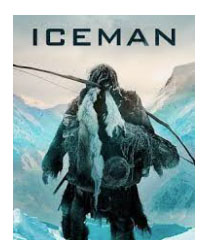
Iceman
Synopsis
Set over 5,300 years ago during the Copper Age in the prehistoric Alps, a Neolithic clan leader and family man named Kelab lives a peaceful, tribal existence high in the mountains. When his remote settlement is brutally attacked and massacred by rival raiders seeking a sacred ritual copper artifact, Kelab returns from hunting to find his family slaughtered and his clan's holy relic stolen. Consumed by grief and a burning thirst for vengeance, Kelab embarks on a harsh, unforgiving survival trek across treacherous glaciers and steep mountain crags to track down the killers. The historical survival drama delivers gritty prehistoric realism and natural brutality.
The Making of the Film
Director and writer Felix Randau developed the historical survival drama, drawing inspiration from the famous real-life archaeological discovery of "Ötzi the Iceman," a naturally mummified man found frozen in the Alps in 1991. The inspiration stemmed from imagining the untold human story behind the archaeological artifact, stripping away Hollywood tropes to depict prehistoric life with stark authenticity. The production team invested heavily in authentic alpine location shoots in the Italian and Austrian mountains, utilizing a reconstructed prehistoric dialect. The script was structured as a visceral, near-silent survival odyssey.
Critical Reception
Professional critics gave generally positive reviews, praising the film's stunning alpine cinematography, gritty prehistoric realism, immersive sound design, and Jürgen Vogel's powerful physical lead performance. Reviewers noted that Randau successfully crafted an engaging survival narrative without relying on excessive dialogue. Public reception was moderate, earning a dedicated following among history and survival film enthusiasts. The film earned appreciation for its uncompromising historical craftsmanship.
Behind-the-Scenes Stories
Director Felix Randau drew visual inspiration from archaeological research regarding Copper Age humans, alpine nature photography, and survival cinema. Production took place on location across harsh, high-altitude alpine regions in South Tyrol and Austria, requiring the cast and crew to endure freezing weather conditions. During the filming of grueling mountain tracking sequences, lead actor Jürgen Vogel performed physical stunts in authentic prehistoric animal-skin wardrobe. The actors spoke an early reconstructed form of Rhaetic language.
Themes Explored
The themes explored include prehistoric survival, revenge, grief, early human spirituality, tribal conflict, and man versus untamed nature.
Ending Explained Ending Explained The poignant survival climax sees Kelab finally overtaking the last remaining attacker, achieving bloody vengeance before embracing his own mortality amidst the serene snowy peaks.
Meaning of the TitleMeaning of the Title The German title Der Mann aus dem Eis and English translation Iceman refer directly to the historical "Ötzi the Iceman" mummy discovery inspiring the narrative.
Original Soundtrack Urgehal and Icelandic composer Guðni Franzson composed a haunting, ambient musical score featuring primal percussion and atmospheric wind drones that anchored the prehistoric landscape.
Similar Films Alpha, Quest for Fire, The Revenant