

 Français
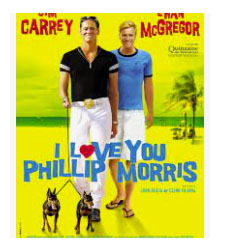
I Love You Phillip Morris
Synopsis
This wild, eccentric, and darkly comedic biographical crime film follows Steven Russell, a happily married, conventional suburban police officer and devoted church member in Virginia whose life takes a bizarre, transformative turn after he survives a near-fatal car crash and decides to embrace his true identity as a gay man. Moving to Miami to live an extravagant, high-spending lifestyle to match his new persona, Steven soon resorts to corporate financial fraud to fund his lavish expenses, leading to his arrest and imprisonment in a Texas penitentiary. While serving time, Steven falls head-over-heels in love with a gentle, soft-spoken inmate named Phillip Morris, launching a series of astonishing, incredibly audacious prison escapes driven entirely by his obsessive devotion to his lover. It is a brilliant, unconventional true-story romance.
The Making of the Film
The project originated from screenwriters John Requa and Glenn Ficarra adapting Steve McVicker's 2003 true-crime biographical book, marking their feature film directorial debut after writing 'Bad Santa'. Requa and Ficarra sought to craft a wildly unpredictable dark comedy that blended genuine, tender romance with absurd white-collar crime and prison breaks. Inspiration was drawn from real-life con artist history, queer cinema, and romantic farce. The creative team aimed to produce a bold, provocative crowd-pleaser.
Critical Reception
Critics offered generally favorable reviews, praising Jim Carrey's fearless, charismatic lead performance, Ewan McGregor's tender romantic charm, and the film's daring tonal shifts between slapstick comedy and emotional drama. Reviewers noted that Carrey delivered one of the finest performances of his career, balancing manic con-artist energy with heartbreaking vulnerability. The electric chemistry between Carrey and McGregor received universal applause as the emotional anchor of the movie. Despite facing brief distribution delays in the US due to its edgy LGBTQ themes, it became a cult favorite.
Audience reception was warm among comedy fans and cinephiles, driving strong international art-house box office success and finding a passionate following on home video. Viewers on public platforms praised the hilarious fake medical diagnoses, daring prison breakouts, and the genuine emotional romance. Fans of Jim Carrey celebrated his return to peak comedic form. Word-of-mouth sustained strong long-term cult popularity.
Awards season brought recognition from various independent film ceremonies and international festival showcases, honoring Jim Carrey and Ewan McGregor for their outstanding acting achievements. Critics' associations acknowledged the bold audacity of the screenplay. These accolades cemented its status as a premier cult classic in modern queer cinema.
Behind-the-Scenes Stories
The director drew visual inspiration from classic romantic comedies, bright 1990s aesthetic palettes, and true-crime documentary framing to establish a vibrant, sunny style. Every location, from the suburban Virginia police stations to the sunny Miami mansions and Texas prison yards, was meticulously styled to reflect Steven's escalating cons. The production team collaborated with prison technical advisors to ensure that jailhouse interiors and escape props looked convincing. These artistic choices created an entertaining true-story world.
Production presented fascinating logistical and technical hurdles, requiring Jim Carrey and Ewan McGregor to maintain intense romantic chemistry while executing fast-paced physical comedy and dramatic emotional shifts. Jim Carrey brought endless improvisational energy to his role as the master con artist. Shooting on location in Louisiana standing in for Texas and Virginia required careful weather management. Furthermore, maintaining strict narrative continuity across multiple elaborate prison breakouts demanded obsessive script supervision.
During the filming of the hilarious HIV-status medical bluffing sequences, Jim Carrey executed his dramatic collapse acting with total professional commitment. To maintain comedic timing, Requa and Ficarra encouraged playful ad-libbing. The crew utilized bright lighting. This rigorous dedication resulted in standout comedic moments.
Casting was anchored by securing comedy legend Jim Carrey in a career-defining role, alongside acclaimed actor Ewan McGregor as Phillip Morris. Supporting roles featured Leslie Mann as Steven's ex-wife Debbie, and Rodrigo Santoro. This star-studded casting strategy drove massive initial visibility.
Themes Explored
The narrative deeply explores themes of queer liberation, living an authentic life, and the absurd lengths people go to for true love. It examines white-collar crime, con artistry, and the flaws of the American penal system. Additionally, it highlights romance, devotion, and finding joy after breaking societal molds. Ultimately, the film reflects on identity, freedom, and the power of love to conquer all barriers.
Ending Explained
Steven is finally captured after his most audacious escape involving a fake terminal illness and sentenced to continuous twenty-three-hour solitary confinement in a maximum-security prison cell, yet he continues to smuggle secret love letters to Phillip Morris outside, proving that his love remains entirely unbreakable. In the poignant final voiceover, Steven smiles defiantly as he vows that his next escape will be successful. The bittersweet conclusion celebrates eternal romantic devotion.
Meaning of the Title
The title directly references the protagonist's obsessive romantic devotion to his prison lover ("I Love You Phillip Morris").
Similar Films
Films sharing similar true-crime con artist stories, dark comedy, and queer romance themes include Catch Me If You Can (2002), To Die For (1995), and Bad Education (2019).