

 Français
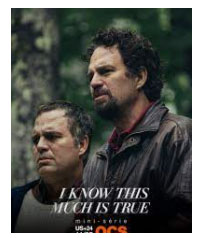
I Know This Much Is True
Synopsis
Set in a fading industrial mill town in Connecticut during the early 1990s, a weary and resilient house painter named Dominick Birdsey navigates a lifetime of accumulated family trauma while fiercely attempting to protect and care for his identical twin brother, Thomas, a paranoid schizophrenic who suffers a horrific public mental breakdown. As Dominick reflects upon his turbulent childhood under an abusive stepfather, discovers hidden secrets in their immigrant grandfather's translated memoirs, and processes personal tragedies, he embarks on an agonizing psychological journey toward forgiveness and emotional healing. The poignant drama miniseries delivers devastating emotional depth and powerhouse acting.
The Making of the Film
Director and writer Derek Cianfrance adapted the landmark miniseries from Wally Lamb's best-selling 1998 epic novel of the same name, having spent years securing adaptation rights. The inspiration stemmed from exploring generational trauma, severe mental illness, fraternal bonds, and the arduous path toward forgiveness. The production team invested heavily in authentic upstate New York and Connecticut rust-belt location shoots, vintage styling, and period architecture. The script was meticulously structured as a sprawling, novelistic emotional epic.
Critical Reception
Professional critics widely acclaimed the miniseries as an absolute masterpiece, praising its emotional authenticity, superb directing, and Mark Ruffalo's historic, tour-de-force dual lead performance playing both twin brothers. Reviewers lauded Ruffalo for gaining significant weight for one role and capturing the distinct psychological nuances of both siblings with breathtaking vulnerability. Public reception was overwhelmingly enthusiastic worldwide, turning it into a major critical and awards season triumph. Mark Ruffalo won the Primetime Emmy Award for Outstanding Lead Actor.
Behind-the-Scenes Stories
Director Derek Cianfrance drew visual inspiration from American rust-belt photography, classic family dramas, and memory-driven art-house cinema. Production took place on location across industrial towns in New York State, utilizing authentic mill towns and vintage homes. During the filming of dual twin brother sequences, Mark Ruffalo filmed one brother's scenes first, took a break to physically alter his weight and appearance over several weeks, and then returned to film the other brother's scenes. The production halted during filming to allow the physical transformation.
Themes Explored
The themes explored include severe mental illness and schizophrenia, identical twin bonds, generational family trauma, adoption secrets, forgiveness, and resilience.
Ending Explained Ending Explained The poignant emotional climax sees Dominick finally finding peace after scattering his brother's ashes and accepting his family's complex history, stepping into a hopeful future.
Meaning of the TitleMeaning of the Title The title I Know This Much Is True refers directly to the protagonist's hard-won psychological resilience and self-awareness amidst overwhelming family tragedy.
Original Soundtrack Marcelo Zarvos composed a haunting, deeply moving orchestral score featuring melancholic piano motifs and cello arrangements that anchored the emotional devastation.
Similar Films Normal People, Sharp Objects, The Leftovers