

 Français
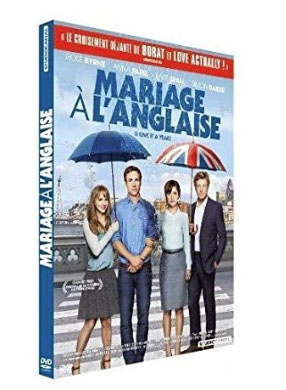
I Give It a Year
Synopsis
A high-strung ambitious career woman and an aspiring novelist tie the knot after a whirlwind romance despite their friends' doubts. As their first anniversary approaches, strains show, and both are tempted by other people. They must decide whether to weather the storm or admit defeat. Ultimately, a hilarious look at modern marriage unfolds.
The Making of the Film
Director Dan Mazer wanted to explore what happens after the romantic comedy happily-ever-after. Drawing inspiration from his own observations of married life and contemporary relationship dynamics, he crafted a sharp, cynical British comedy. The production aimed to subvert traditional genre tropes by focusing on the gritty, awkward realities of newlyweds. The script was developed with a keen eye for observational humor and cringe-inducing social situations.
Critical Reception
Critics generally praised the film for its sharp wit and willingness to subvert conventional romantic comedy formulas. Reviewers noted that the supporting cast, particularly supporting actors adding comedic flair, elevated the material significantly. Audiences responded well to the film's irreverent humor and honest portrayal of relationship flaws. While some found the romantic cynical tone jarring, it found a dedicated fanbase upon release.
Behind-the-Scenes Stories
Dan Mazer drew inspiration from classic British comedies and modern relationship satires. Production faced the usual tight schedules typical of British independent comedies, requiring efficient and focused shooting days. During the filming of the wedding scenes, the cast experienced numerous humorous unscripted moments that lightened the mood. The initial casting process considered several alternative comedic actors before settling on the final chemistry-tested lead duo.
Themes Explored
Navigating the fragile expectations of modern marriage and societal pressure to stay together form the core of the narrative. The film examines compatibility, compromise, and the dangers of ignoring fundamental personality differences during a honeymoon phase. Furthermore, it explores the influence of well-meaning yet intrusive friends and family on young relationships.
Ending Explained
Both characters realize through separate epiphanies that they are fundamentally mismatched and that forcing a relationship to work serves no one. Instead of traditional romantic reconciliation, they amicably part ways to pursue paths more suited to their true personalities. The conclusion offers a refreshing take on closure, emphasizing personal growth over forced societal norms.
Meaning of the Title
The title refers to the cynical wager made by friends and family members regarding how long the mismatched couple will actually stay married. It highlights the underlying lack of confidence surrounding the union from its very inception.
Similar romantic comedies focusing on unconventional relationship dynamics and British wit.