

 Français
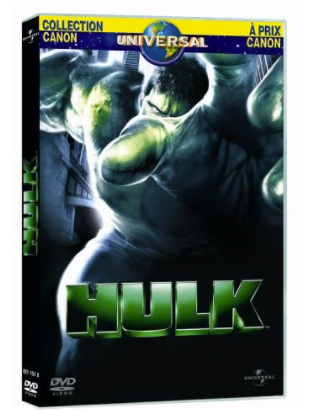
Hulk
Synopsis
Dr. Bruce Banner is a brilliant geneticist working at a Berkeley research laboratory, suppressing deep-seated childhood trauma and anger issues. Following a laboratory accident involving gamma radiation, Bruce survives a massive exposure that causes him to transform into the Hulk—a massive, raging green beast whenever he experiences extreme emotional stress or fury. Hunted by the military, led by his own emotionally abusive surrogate father General Ross, and pursued by his ambitious colleague Talbot, Bruce must unlock the dark secrets of his past to control the monster within before it destroys everything.
The Making of the Film
Director Ang Lee approached the Marvel property as a psychological Greek tragedy disguised as a high-budget summer blockbuster. He wanted to explore themes of repressed trauma, paternal abuse, and the monster hidden inside human nature. The production utilized groundbreaking digital creature effects and a unique comic-book panel framing style to transition multi-frame split screens across the screen. Screenwriters adapted the narrative to blend comic lore with deep psychoanalytical drama.
Critical Reception
Professional critics offered polarized reviews upon release, praising Ang Lee's ambitious psychological depth, artistic visual style, and Eric Bana's grounded performance. Reviewers admired the film's willingness to treat a superhero story as an arthouse psychological drama rather than a conventional action movie. However, some mainstream audiences and critics felt the pacing was too slow and the action sequences were too sparse compared to traditional blockbusters. It remains one of the most intellectually ambitious comic book films ever made.
The public reception was mixed at the box office; while it performed well initially, word-of-mouth regarding its heavy psychological tone caused sharp drops in subsequent weeks. Over time, however, film enthusiasts and comic book fans have reevaluated it as a misunderstood masterpiece of depth and visual experimentation.
The film received recognition within visual effects and fantasy award circuits, earning praise for its groundbreaking CGI rendering of the Hulk and its innovative split-screen editing techniques. Eric Bana and Jennifer Connelly were lauded for bringing emotional gravity to their complex roles.
Shooting Anecdotes
Director Ang Lee drew inspiration from classic monster movies, Greek mythology, and psychoanalytic literature to shape Bruce Banner's internal emotional struggles.
Production faced immense technical challenges developing pioneering motion-capture and digital rendering technology to bring the massive green monster to life with expressive emotional detail.
A dramatic laboratory rampage sequence required complex coordination between practical set destruction and digital character animation.
Before Eric Bana was cast as Bruce Banner, several other Hollywood leading men were considered, but Ang Lee chose Bana for his brooding intensity and emotional subtlety.
Thematic Exploration
Repressed trauma, paternal legacy, the duality of human anger, and scientific hubris.
Ending Explanation
Bruce accepts the Hulk as a permanent part of his existence, retreating into self-imposed exile in the jungles of South America where he uses his medical skills while continuing to keep his inner monster under control.
Title Significance
The title reflects the monstrous, rampaging alter ego unleashed by Bruce Banner's gamma-irradiated emotional outbursts.
News
The film is frequently debated and re-evaluated by cinephiles and comic book fans as a bold, ahead-of-its-time psychological exploration of superhero mythology.
Similar Films
Spider-Man, X-Men, The Amazing Spider-Man, Chronicle