

 Français
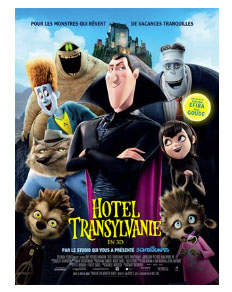
Hotel Transylvania
Synopsis
Count Dracula operates a high-end, monster-only resort hidden away from the prying eyes of humans, designed to keep his beloved teenage daughter Mavis safe from the outside world. However, chaos erupts when an ordinary human backpacker named Jonathan accidentally stumbles upon the hotel during a celebration. As Dracula frantically attempts to disguise Jonathan as a Frankenstein cousin to prevent a panic among his monster guests, Mavis and Jonathan experience an unexpected spark of young love.
The Making of the Film
This animated monster comedy film was produced by Sony Pictures Animation and directed by animation veteran Genndy Tartakovsky. The project spent years in development hell with various directors before Tartakovsky stepped in, bringing his signature cartoonish, dynamic animation style reminiscent of classic 2D slapstick cartoons into the 3D realm. The filmmakers sought to subvert traditional horror tropes by making classic monsters lovable, neurotic, and domestic family figures.
Critical Reception
Critical response was generally positive, with reviewers praising the hyper-kinetic slapstick physical comedy, vibrant character animation, and voice performances—particularly Adam Sandler as Dracula and Andy Samberg as Jonathan. Critics noted that while the plot followed standard family-movie formulas, the relentless visual gags and Tartakovskys distinct cartoon timing elevated the material. Global audiences turned the film into a massive commercial blockbuster, spawning a highly successful multi-film franchise. Families and children embraced the colorful monster cast, witty humor, and heartwarming family dynamics, driving high home-media sales and widespread merchandising success. The film received a Golden Globe nomination for Best Animated Feature Film, cementing Sony Pictures Animations status as a major player in the family animation market.
Behind-the-Scenes Stories
Director Genndy Tartakovsky drew inspiration from classic Universal monster movies, injecting them with high-energy physical comedy inspired by classic Tex Avery cartoons. He insisted on pushing CGI animation past rigid realism into fluid, squash-and-stretch cartoon physics. Production required innovative technical pipelines to allow animators to distort character models dramatically in 3D space without breaking the computer rigs, creating a unique visual signature that set the film apart from contemporary animated features. An amusing behind-the-scenes anecdote involves the recording booth sessions where Adam Sandler and Andy Samberg frequently improvised dialogue together in the same room, resulting in natural comedic banter that was directly translated into the final animated performances. The initial casting process went through several iterations over the years of development, but the final ensemble was curated specifically to balance seasoned comedic actors with vibrant energetic personalities.
Themes Explored
The film explores overprotective parenting, letting go of children, multicultural acceptance, and breaking down prejudices. It emphasizes that appearances can be deceiving and that monsters and humans share the same universal fears and joys.
Meaning of the Title
The title refers to the grand resort hotel located in the legendary region of Transylvania, serving as a safe haven where monsters can vacation free from human persecution.
Despicable Me, The Addams Family, Cloudy with a Chance of Meatballs, Monsters, Inc.