

 Français
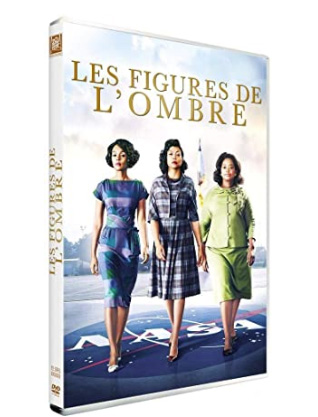
Hidden Figures
Synopsis
Set in 1961 during the intense space race between the United States and the Soviet Union, the film tells the incredible untold true story of three brilliant African American female mathematicians—Katherine Johnson, Dorothy Vaughan, and Mary Jackson—who worked at NASA. Facing rampant racial and gender segregation in Jim Crow-era Virginia, these trailblazing women serve as the brilliant human calculators behind the historic orbital launch of astronaut John Glenn. Overcoming institutional prejudice through sheer mathematical genius and unyielding dignity, they permanently change American history. This inspiring biographical drama celebrates unsung heroes and civil rights triumph.
The Making of the Film
Producer Donna Gigliotti optioned Margot Lee Shetterly's non-fiction book manuscript before its publication after discovering the inspiring true history of NASA's human computers. Director Theodore Melfi was brought on board to helm the project, injecting warmth, humor, and historical reverence into the biographical narrative. Screenwriter Allison Schroeder crafted a brilliant script highlighting the intersection of gender, race, and cutting-edge space science. 20th Century Fox backed the prestige production as an awards-season powerhouse.
Critical Reception
Professional critics showered the film with widespread universal critical acclaim, praising its uplifting storytelling, sharp screenplay, and powerhouse lead performances by Taraji P. Henson, Octavia Spencer, and Janelle Monáe. Reviewers lauded the film for bringing an overlooked piece of American history to light with intelligence, emotional resonance, and crowd-pleasing warmth. The chemistry among the three lead actresses received universal praise.
Public reception was a phenomenal global box office blockbuster triumph, thrilling audiences worldwide and earning massive financial returns. Viewers were deeply moved by the triumphant courtroom scenes and rocket launch sequences. It cemented its status as a modern classic of inspirational cinema.
Awards and recognition included three Academy Award nominations for Best Picture, Best Adapted Screenplay, and Best Supporting Actress for Octavia Spencer, alongside a Screen Actors Guild Award for Outstanding Performance by a Cast in a Motion Picture. Octavia Spencer and Taraji P. Henson earned global critical acclaim. The film remains celebrated as a masterpiece of biographical drama.
Filming Anecdotes
The director drew inspiration from historical NASA archives, civil rights movement documentaries, and classic 1960s space race epics. Production utilized authentic mid-century modern office buildings, wind tunnels, and launch complexes in Atlanta to simulate NASA Langley Research Center. The costume and art departments went to great lengths to ensure 1960 dress codes and IBM mainframe computers were period-accurate.
Production challenges included maintaining historical accuracy while crafting a cinematic, fast-paced narrative suitable for mainstream audiences. The actresses spent time studying advanced aerospace mathematics and consulting with surviving family members of the real pioneers. Maintaining a joyful, empowering atmosphere on set was a priority for the crew.
A memorable anecdote involves Taraji P. Henson running across the massive NASA campus in high heels during a famous emotional sequence, a physically exhausting scene she insisted on nailing in a single take. Octavia Spencer and Janelle Monáe brought incredible grace and wit to their historical roles. Kevin Costner added gravitas as the fictionalized composite space task group director.
The casting process secured Taraji P. Henson, Octavia Spencer, and Janelle Monáe to anchor the triumvirate of brilliant leads. Supporting roles were filled by Kevin Costner, Kirsten Dunst, and Jim Parsons. The ensemble chemistry drove the film's triumphant emotional momentum.
Themes Explored
The themes explored include racial segregation, gender equality, civil rights, perseverance, and scientific excellence. The story examines how intellect and dignity can shatter institutional prejudice. It also highlights the monumental human collaboration behind the space race.
Explanation of the Ending
The ending shows John Glenn successfully orbiting the Earth three times in Friendship 7 after personally requesting that Katherine Johnson double-check the IBM computer calculations herself. Following the historic mission, NASA integrates its facilities, and each woman achieves extraordinary professional milestones, including Mary Jackson becoming NASA's first female Black aeronautical engineer. Concluding title cards detail their legendary contributions to American space exploration. The film concludes on an uplifting, triumphant note.
Title Significance
The title 'Hidden Figures' refers with double meaning to the brilliant mathematical figures calculated by the women, as well as the historical fact that their vital contributions were hidden away by history for decades. It is a clever, poignant title. The name sets a powerful biographical drama tone.
Original Soundtrack
The film features an inspiring, soul-infused musical score composed by Hans Zimmer, Pharrell Williams, and Benjamin Wallfisch, highlighted by powerhouse uplifting theme songs performed by Pharrell Williams and Janelle Monáe.
The film is celebrated globally as a modern masterpiece of inspirational history, frequently screened in schools and universities worldwide.
The Right Stuff, Apollo 13, Selma, First Man