

 Français
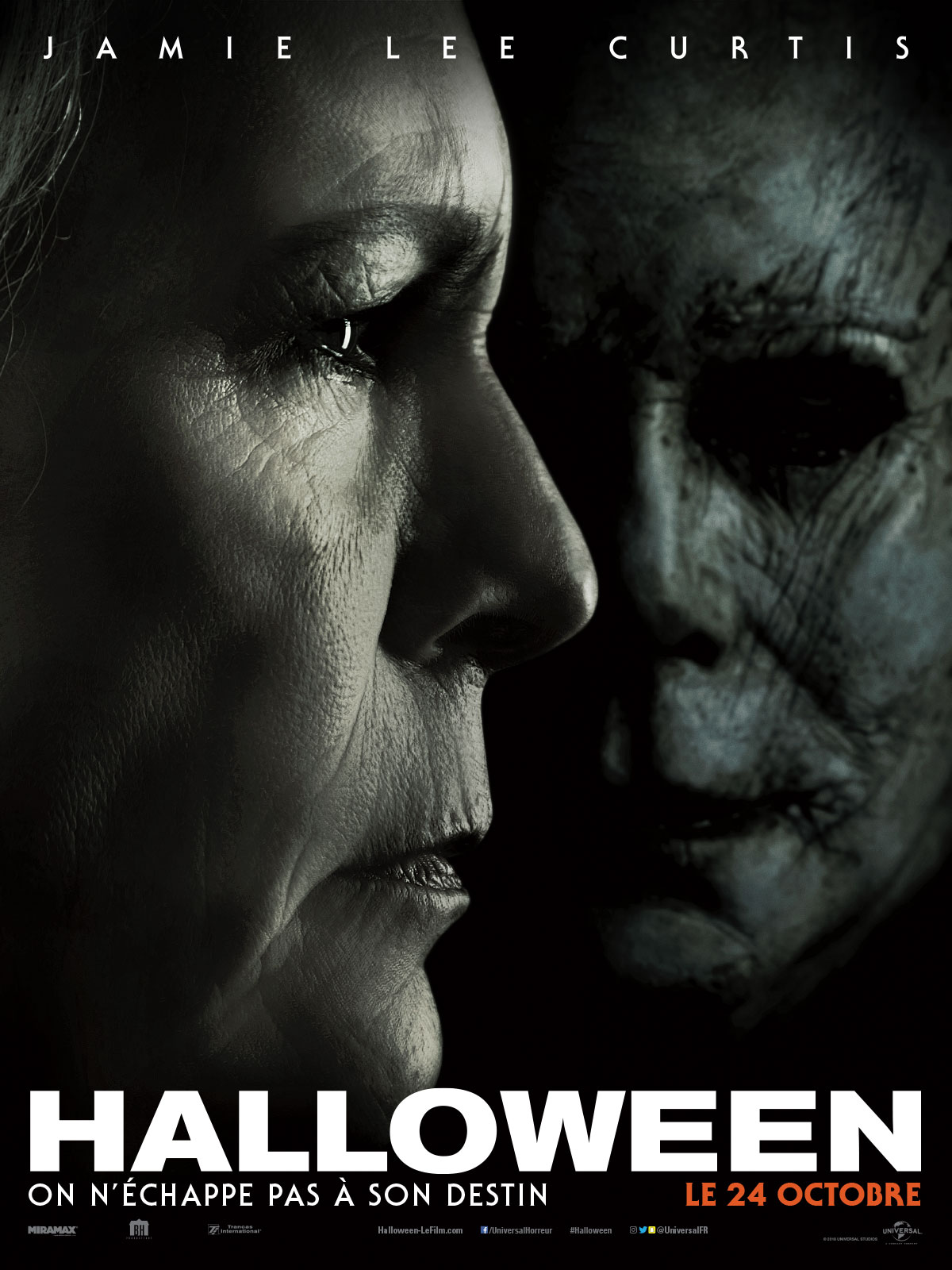
Halloween 5: The Revenge of Michael Myers
Synopsis
One year after the apparent death of Michael Myers in an explosion, young Jamie Lloyd is confined to a children's psychiatric hospital suffering from severe trauma and a silent telepathic link to her murderous uncle. Unbeknownst to everyone, Michael survived and is lying dormant in a rural shack, only to awaken when Halloween approaches once again. Dr. Loomis teams up with local police to track down the relentless killer before he can finish off his final surviving blood relative. A tense cat-and-mouse game ensues across Haddonfield as Jamie uses her psychic connection to anticipate Michael's next moves.
The Making of the Film
Following the financial success of 'Halloween 4: The Return of Michael Myers', producers rushed a fifth installment into production to capitalize on the returning horror franchise momentum. Swiss director Dominique Othenin-Girard was brought on to inject a fresh European stylistic flair and heightened suspense into the slasher series. The script underwent rapid revisions to establish the unique telepathic connection between Michael Myers and his young niece Jamie Lloyd. The production aimed to lean heavily into gothic atmosphere and relentless suspense.
Critical Reception and Reviews
Professional Critic Reviews
Critics generally panned the film upon release, citing repetitive slasher tropes, predictable jump scares, and implausible plot developments. Reviewers criticized certain narrative choices, such as the baffling introduction of the mysterious Man in Black and the abrupt sidelining of core characters. However, Donald Pleasence's intense performance and select stylistic camera movements received modest praise. Over time, the film has found appreciation among dedicated horror fans for its unique gothic atmosphere.
Public Reception
Genre audiences responded with mixed enthusiasm, appreciating the return of Michael Myers and Danielle Harris's compelling performance as Jamie, but noting the uneven plot pacing. The dark, eerie mood and autumnal cinematography resonated well with traditional franchise followers. Some fans debated the creative choices regarding the mythology surrounding the killer.
Awards and Honors
While the film received no mainstream critical awards, it maintained strong box office performance relative to its modest budget, cementing the franchise's enduring commercial viability. Danielle Harris received critical praise within horror fan communities for her emotionally demanding child performance.
Filming Anecdotes
Director's Inspirations
Dominique Othenin-Girard was inspired by classic European gothic horror aesthetics, utilizing shadows, deep framing, and atmospheric fog to heighten tension. He wanted Michael Myers to feel less like a standard movie monster and more like an unstoppable, supernatural force of nature. Visual homages to John Carpenter's original 1978 masterpiece were woven into key suspense sequences.
Production Difficulties
Shooting a fall-themed horror film during a warm spring in Utah presented continuous artificial foliage and wardrobe heat challenges for the crew. The tight post-production schedule required rapid editing and sound design to meet the strict theatrical release window. Managing child labor restrictions while filming intense, frightening night scenes with young actress Danielle Harris required immense care.
Particular Scene Anecdote
The iconic laundry chute chase sequence required Danielle Harris to crawl through cramped, dusty sets while simulated debris and lighting flickered dramatically. To keep the young actress comfortable, stunt coordinators rehearsed the physical movements thoroughly before cameras rolled. Donald Pleasence brought fierce dedication to his confrontations with Michael, demanding high realism in his dramatic delivery.
Initial Casting Choices
Danielle Harris returned eagerly to her role as Jamie Lloyd, anchoring the emotional core of the sequel alongside returning cast members. The production held extensive local auditions to find fresh teenage victims and supporting law enforcement officers. Stalwart horror icon Donald Pleasence returned for his fifth time as the obsessive Dr. Sam Loomis, serving as the dramatic anchor of the film.
Themes Explored
The movie delves deeply into the concepts of inherited trauma, psychological scars, and inescapable evil. It explores the psychic bond of family bloodlines twisted into a murderous curse. Another central theme is the relentless pursuit of justice versus blind obsession embodied by Dr. Loomis. Ultimately, it reinforces the timeless slasher trope that evil never truly dies.
Explanation of the Ending
The climax culminates in a trap set at the Myers family house where Jamie uses her empathy to subdue Michael temporarily before he is captured by police. However, the film ends on a cliffhanger when a mysterious Man in Black storms the police station, slaughters the officers, and frees Michael Myers. This ambiguous finale leaves Haddonfield unprotected and sets up an unresolved mystery for future sequels. It signifies that the cycle of violence and supernatural terror is far from over.
Meaning of the Title
The title 'Halloween 5: The Revenge of Michael Myers' directly signals the continuation of the slasher franchise and the specific motivation driving the iconic killer's return. It emphasizes vengeance against his surviving family bloodline, specifically his telepathically linked niece Jamie. The subtitle reinforces the mythos of the unstoppable boogeyman.
["Halloween 4: The Return of Michael Myers", "Friday the 13th Part VI: Jason Lives", "A Nightmare on Elm Street 4: The Dream Master"]